
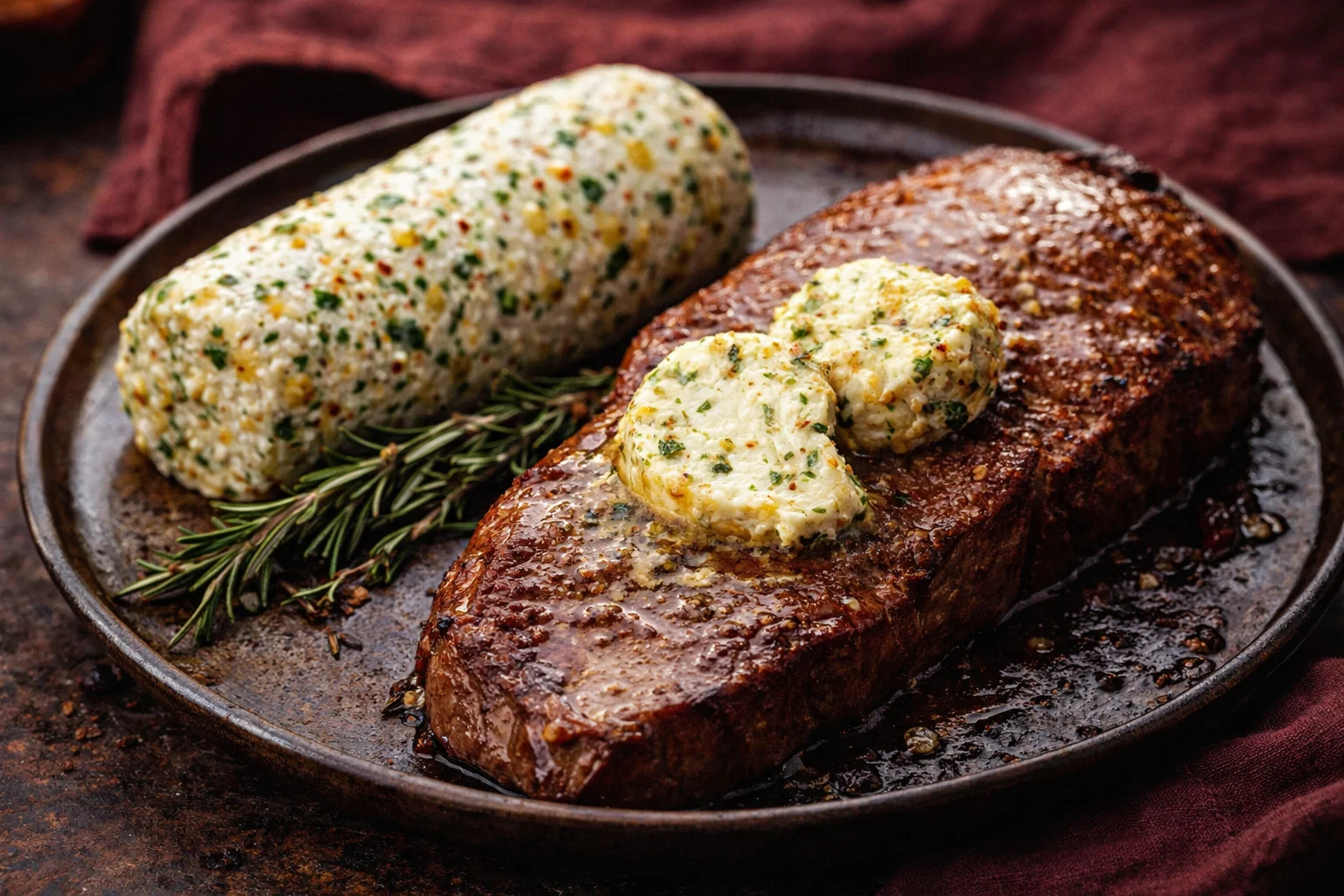
Cowboy Butter: The Boldest Compound Butter You’ll Ever Make
Table of Contents
Garlic • Lemon • Fresh Herbs • A Kick of Heat • Endless Uses
Thank you for reading this post, don't forget to subscribe!I. Introduction to Cowboy Butter
If you have ever wondered what would happen if a classic compound butter decided to saddle up and go bold, the answer is Cowboy Butter. This is not your standard garlic herb butter. This is a full-flavored, deeply aromatic, outrageously versatile condiment that is equal parts spread, dipping sauce, and finishing touch — and once you make it, you will find yourself reaching for it at every meal.
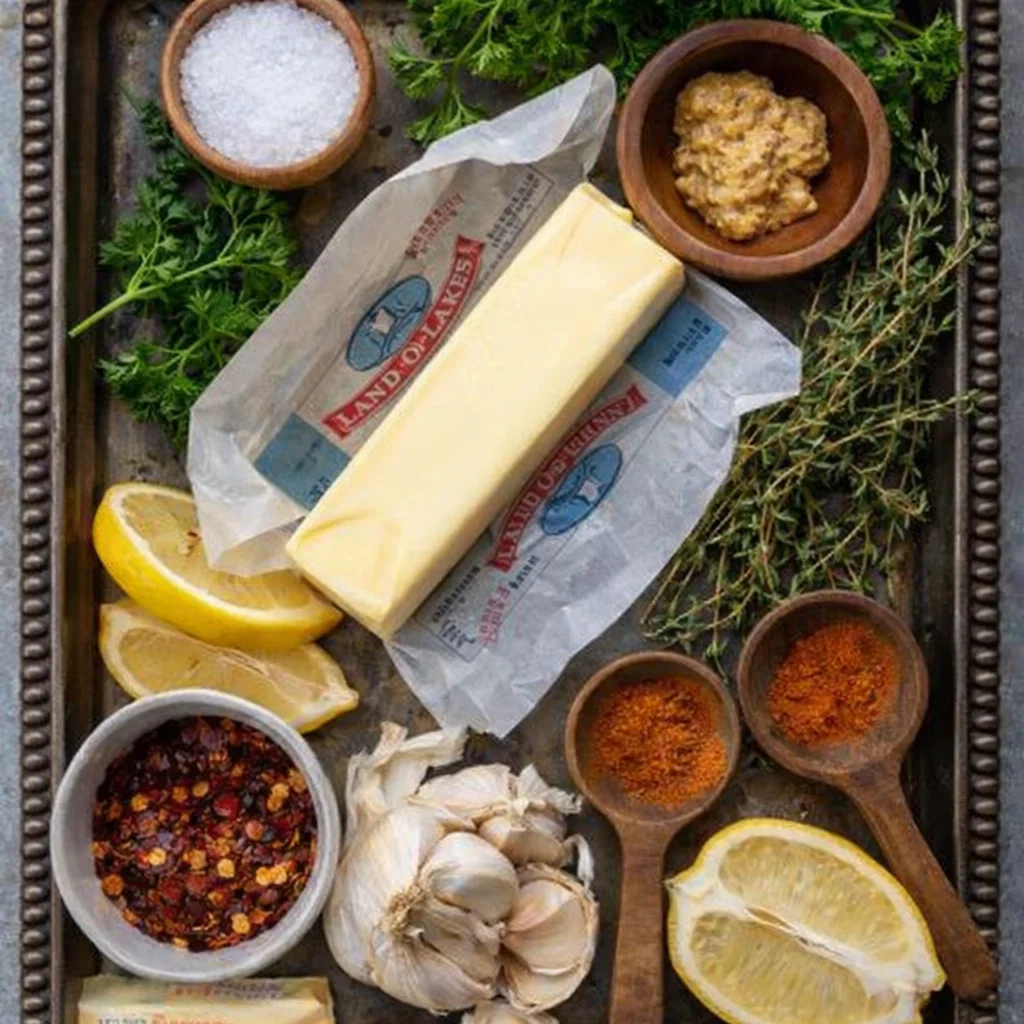
At its core, Cowboy Butter is a compound butter — softened unsalted butter blended with a bold lineup of ingredients: fresh garlic, bright lemon zest and juice, Dijon mustard, fresh herbs like parsley, chives, and thyme, and a layered heat blend of paprika, cayenne, and red pepper flakes. The result is a butter so packed with personality that even a small spoonful transforms an ordinary piece of meat, vegetable, or bread into something extraordinary.
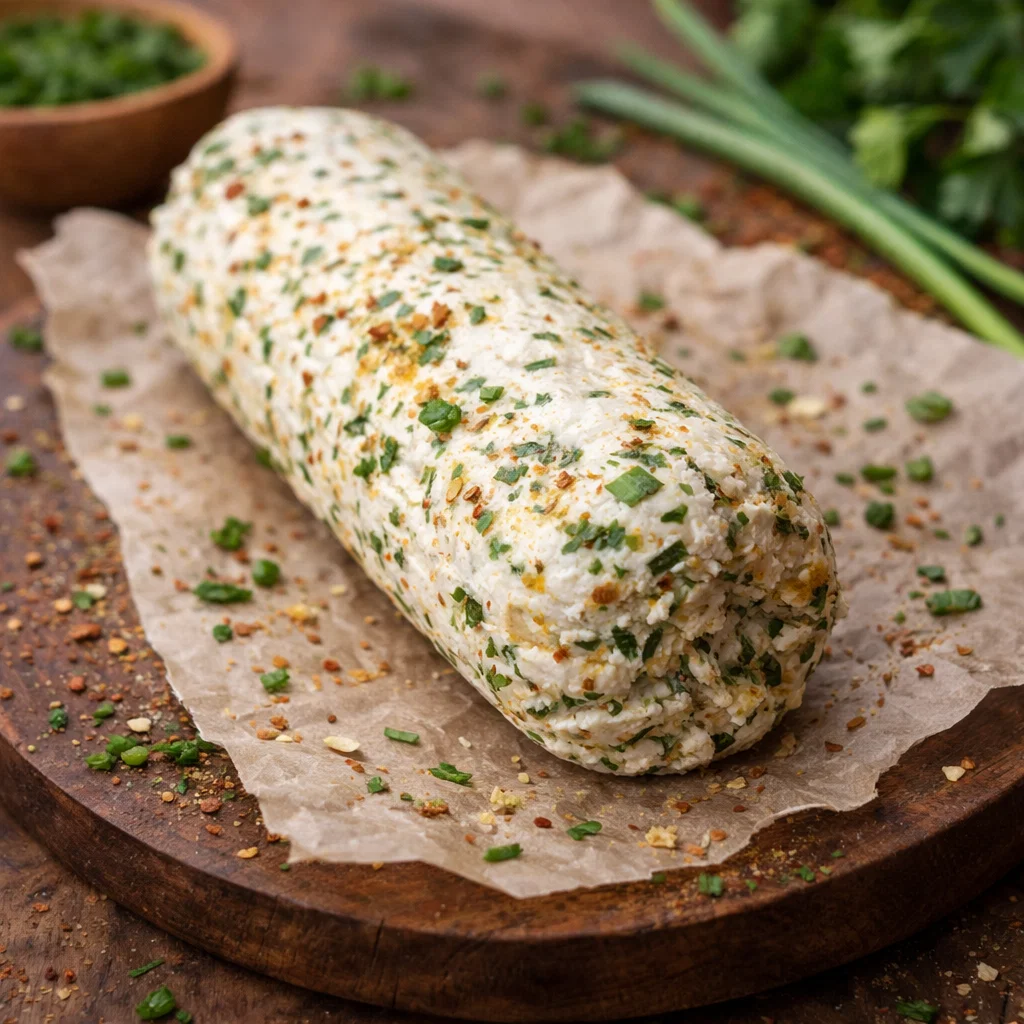
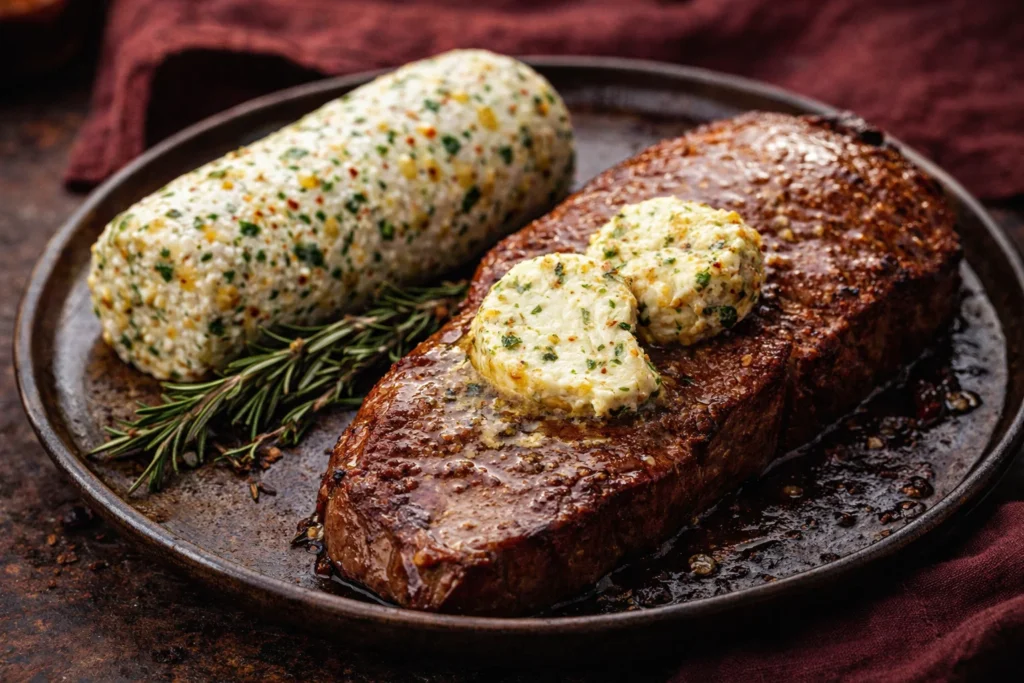
The beauty of homemade Cowboy Butter lies in its dual nature. Roll it into a compound butter log and slice it over a hot steak straight from the grill for a melt-on-contact finishing touch. Or melt it down into a warm, aromatic Cowboy Butter dipping sauce for lobster tails, shrimp, crusty bread, or roasted vegetables. Two forms, one recipe, limitless applications.
II. Ingredients and Expert Substitutions
Every ingredient in this Cowboy Butter recipe plays a specific role in building its signature bold, balanced flavor. Here is what you need — and how to adapt it to your pantry and preferences.
The Base: Unsalted Butter
Start with 1 cup (2 sticks) of high-quality unsalted butter, softened to room temperature. Using unsalted butter gives you complete control over the final salt level, which matters when you are layering in garlic, mustard, and other savory ingredients. If you only have salted butter on hand, simply reduce or eliminate any added Kosher salt in the recipe to avoid over-salting your Cowboy Butter.
Flavor Balancing: The Optional Honey Addition
Here is a flavor-enhancing secret that takes this Cowboy Butter recipe to the next level: add 1 teaspoon of honey. The natural sweetness of honey softens the sharp, tangy edge of the Dijon mustard and rounds out the heat from the cayenne and red pepper flakes, creating a more complex, balanced flavor profile. This is completely optional but highly recommended — especially if you plan to use your Cowboy Butter as a dipping sauce or with poultry.
Herb Options: Fresh vs. Dried
The standard Cowboy Butter herb trio is fresh parsley, fresh chives, and fresh thyme. Fresh herbs deliver the brightest, most vibrant flavor and are ideal when you plan to use the butter within a few days. However, there is an important practical consideration: fresh herbs significantly shorten the shelf life of the finished butter.
If you want to make a larger batch of compound butter that lasts longer in the fridge — or if fresh herbs are not available — switch to dried parsley, dried chives, and dried thyme. Use approximately one-third of the fresh herb quantity (dried herbs are more concentrated). This simple swap extends your Cowboy Butter’s refrigerator life considerably beyond the standard five-day window.
Heat Level: Paprika, Cayenne & Red Pepper Flakes
This Cowboy Butter gets its signature heat from a three-level spice approach:
- Smoked paprika — adds depth, a subtle smokiness, and rich color without significant heat
- Cayenne pepper — delivers a clean, sharp heat that permeates the butter evenly
- Crushed red pepper flakes — adds a textural heat element and visual appeal
All three can be freely adjusted to match your heat tolerance. For a mild Cowboy Butter, reduce the cayenne to a pinch and omit the red pepper flakes entirely. For an extra-spicy Cowboy Butter, double the cayenne and add a generous pinch of red pepper flakes.
III. Step-by-Step Preparation
The Mixing Process
Making Cowboy Butter is refreshingly simple. You have two equally effective methods:
- By hand (bowl method): Place the softened butter in a medium mixing bowl. Add all remaining ingredients — garlic, lemon zest, lemon juice, Dijon mustard, honey, chopped fresh herbs, smoked paprika, cayenne, red pepper flakes, and salt. Use a fork or rubber spatula to mash and fold everything together until fully combined and evenly distributed throughout the butter. This method gives you the most control over texture and ingredient distribution.
- Food processor method: Add all ingredients to a food processor and pulse in short bursts until smooth and fully combined. This method is faster and produces a more uniform, spreadable compound butter — ideal if you are making a large batch.
Mellowing the Garlic: The Oven Technique
Fresh minced garlic is bold and pungent, which is exactly what makes Cowboy Butter so distinctive. But if you find raw garlic too sharp — especially when serving the butter to guests or with delicate proteins — here is a simple technique to mellow its bite without losing its flavor:
When finishing a steak in the oven, place a dollop of your prepared Cowboy Butter directly on top of the meat during the last 2 to 3 minutes of oven time. The gentle oven heat slowly melts the butter over the steak while simultaneously cooking the raw garlic just enough to soften its sharpness into a sweeter, more rounded savory note. The result is a deeply flavored, garlic-forward butter that is noticeably smoother and more refined in taste — without any extra effort.
Two Ways to Serve Cowboy Butter
Option 1 — The Compound Butter Log:
- Transfer the mixed Cowboy Butter onto a sheet of plastic wrap
- Shape it into a rough log along one edge of the plastic wrap
- Roll it tightly, twisting the ends to seal and form an even cylinder
- Refrigerate for at least 2 hours until firm
- Slice into rounds and place directly on hot grilled steak, chicken, or fish just before serving
Option 2 — The Warm Dipping Sauce:
- Place the mixed Cowboy Butter in a microwave-safe bowl
- Microwave in 20-second intervals, stirring between each, until fully melted and warm
- Stir well before serving to ensure all herbs, garlic, and spices are evenly distributed in the melted butter
- Serve immediately as a Cowboy Butter dipping sauce alongside steak bites, shrimp, lobster, or crusty bread
IV. Scaling for Large Meals
The Turkey Rule: Scaling Up for Holiday Cooking
One of the most impressive applications of Cowboy Butter is using it as a compound butter rub for a whole roasted turkey or large holiday bird. To fully cover a standard whole turkey — getting butter both under the skin and across the exterior — you will need to quadruple the standard recipe. That means scaling from 1 cup of butter to 4 cups (8 sticks), with all other ingredients scaled proportionally.
For smaller birds like a whole chicken or a spatchcocked turkey breast, doubling the recipe is typically sufficient. The rule of thumb: the more surface area and cavity space you are working with, the more Cowboy Butter you need. When in doubt, make more — leftover compound butter freezes beautifully and is never wasted.
Yield Details
The standard Cowboy Butter recipe using 1 cup of softened butter produces approximately 2/3 cup of finished compound butter after all ingredients are incorporated. This is enough to generously finish 4 to 6 steaks, serve as a dipping sauce for a table of 4, or coat a whole roasted chicken. Scale accordingly based on your intended use and number of guests.
V. Creative Serving Suggestions
The question is not what to put Cowboy Butter on — it is what not to put it on. Here is how to get the most out of this powerhouse compound butter beyond the obvious steak application.
Beyond the Steak: Proteins
- Poultry: Rub Cowboy Butter under the skin of chicken breasts or thighs before roasting for incredibly juicy, flavorful results. Use it as a finishing butter on grilled chicken thighs or sliced turkey breast
- Pork: Melt a round of Cowboy Butter over grilled pork chops or pulled pork for a herb-garlic finishing touch that elevates the entire dish
- Seafood (Surf and Turf): Use Cowboy Butter as a dipping sauce for lobster tails, jumbo shrimp, scallops, or crab legs. Its lemon-herb profile complements seafood beautifully — this is your new signature surf and turf butter
Vegetables and Sides
- Sautéed vegetables: Melt a tablespoon of Cowboy Butter in a skillet and use it as your cooking fat for asparagus, green beans, mushrooms, zucchini, or corn
- Pasta and rice: Stir a spoonful of Cowboy Butter into hot cooked pasta or steamed rice as a finishing butter for instant, restaurant-level flavor without any additional effort
- Air fryer French fries: Toss hot, crispy air fryer fries with melted Cowboy Butter and a pinch of flaky sea salt for the most addictive side dish you will ever serve
Breads and Dressings
- French baguette: Slice a baguette, slather generously with softened Cowboy Butter, and toast under the broiler for the best garlic bread you have ever made
- Cowboy Butter Ranch Dressing: Use melted Cowboy Butter as a warm base for a ranch-inspired dressing — whisk in a splash of buttermilk or sour cream, season with ranch seasoning, and drizzle over salads, grain bowls, or roasted vegetable plates
VI. Storage and Longevity
One of the greatest advantages of Cowboy Butter is how well it stores. Make a batch today and have an instant flavor upgrade ready in your fridge or freezer for weeks.
Refrigeration
Store your prepared Cowboy Butter in an airtight container or tightly wrapped in plastic wrap in the refrigerator for up to 5 days when made with fresh herbs. Fresh parsley, chives, and thyme are perishable ingredients — their moisture content and delicate structure limit how long they keep the butter fresh and safe.
The Dried Herb Hack: Extend Your Shelf Life
Here is the storage game-changer for this Cowboy Butter recipe: substitute dried herbs for fresh and your refrigerator shelf life increases dramatically beyond the five-day limit. Dried parsley, chives, and thyme contain far less moisture than their fresh counterparts, which means bacterial growth slows significantly. A batch of Cowboy Butter made with dried herbs can safely last in the fridge for up to two to three weeks when stored in an airtight container — making it the ideal choice for meal preppers or anyone who wants a ready-to-use compound butter on hand at all times.
Freezing: Up to 4 Months
For the longest shelf life, freeze your Cowboy Butter as a log. Here is how to do it properly:
- Roll the mixed butter into a tight log on plastic wrap and seal the ends
- Wrap the plastic-wrapped log in a second layer of aluminum foil to prevent freezer burn
- Label with the date and freeze for up to 4 months
- To use: slice off individual rounds directly from the frozen log — no need to thaw the entire batch
- Thaw in the refrigerator overnight, or place a frozen round directly onto a hot piece of meat or vegetable and let the heat do the work
VII. Flavor Variations
Once you have mastered the classic Cowboy Butter recipe, the variations are where things get really exciting. Here are two of the most popular ways home cooks are customizing this bold compound butter.
Spicy Alternative: Roasted Jalapeño Cowboy Butter
For heat-seekers who want their Cowboy Butter to bring serious fire, the Roasted Jalapeño Cowboy Butter variation is the answer. Char one or two jalapeños directly over a gas flame or under the broiler until blackened, then peel, seed, and finely mince the roasted flesh. Fold it into the base Cowboy Butter mixture in place of (or in addition to) the cayenne and red pepper flakes. The roasting process tames the raw sharpness of the jalapeño and introduces a smoky, fruity heat that is far more complex and interesting than simply adding more dried spice.
Mustard Tweaks: Yellow Mustard Substitute
Dijon mustard is the standard choice for this Cowboy Butter recipe because of its smooth texture, refined sharpness, and slight heat. But if Dijon is not in your pantry, yellow mustard makes a perfectly acceptable quick substitute. Use an equal amount — the flavor will be slightly tangier and more vinegar-forward, with a milder heat profile. Yellow mustard is a particularly good swap when making Cowboy Butter for burgers, hot dogs, or grilled sausages, where its sharper, more familiar mustard flavor is right at home.
Other mustard variations worth experimenting with include whole grain mustard (adds texture and a rustic, tangy depth), honey mustard (doubles down on sweetness alongside the optional honey addition), and spicy brown mustard (intensifies the heat for those who like a more aggressive Cowboy Butter profile).
There is a reason Cowboy Butter has become one of the most searched and shared condiment recipes online. It is bold without being overwhelming, simple without being boring, and versatile enough to elevate virtually anything you put it on. Make a batch this weekend. Your steak — and everything else on your table — will thank you.
Saddle up — and let Cowboy Butter do the work.
COWBOY BUTTER — QUICK REFERENCE
- Yield: ~2/3 cup compound butter
- Prep Time: 10 minutes | ISO: PT10M
- Chill Time (log): 2 hours | ISO: PT2H
- Fridge (fresh herbs): Up to 5 days
- Fridge (dried herbs): 2 to 3 weeks
- Freezer: Up to 4 months
- Serve as: Compound butter log or warm dipping sauce
Looking for more dinner inspiration?
- Grilled Cheese Burrito
- Amish Hamburger Steak Bake: The Ultimate Comfort Food Dinner
- Philly Cheesesteak Egg Rolls
- Cheesy Garlic Chicken Wraps: High-Protein Comfort in 22 Min
- Chicken Caesar Sandwich
- Sour Cream Beef Noodle Casserole
- Taco Bowl Recipe
- Honey Garlic Shrimp: The Best Healthy Dinner in 20 Minutes
- Authentic Carbonara Recipe
- Mac and Cheese Meatloaf Casserole