
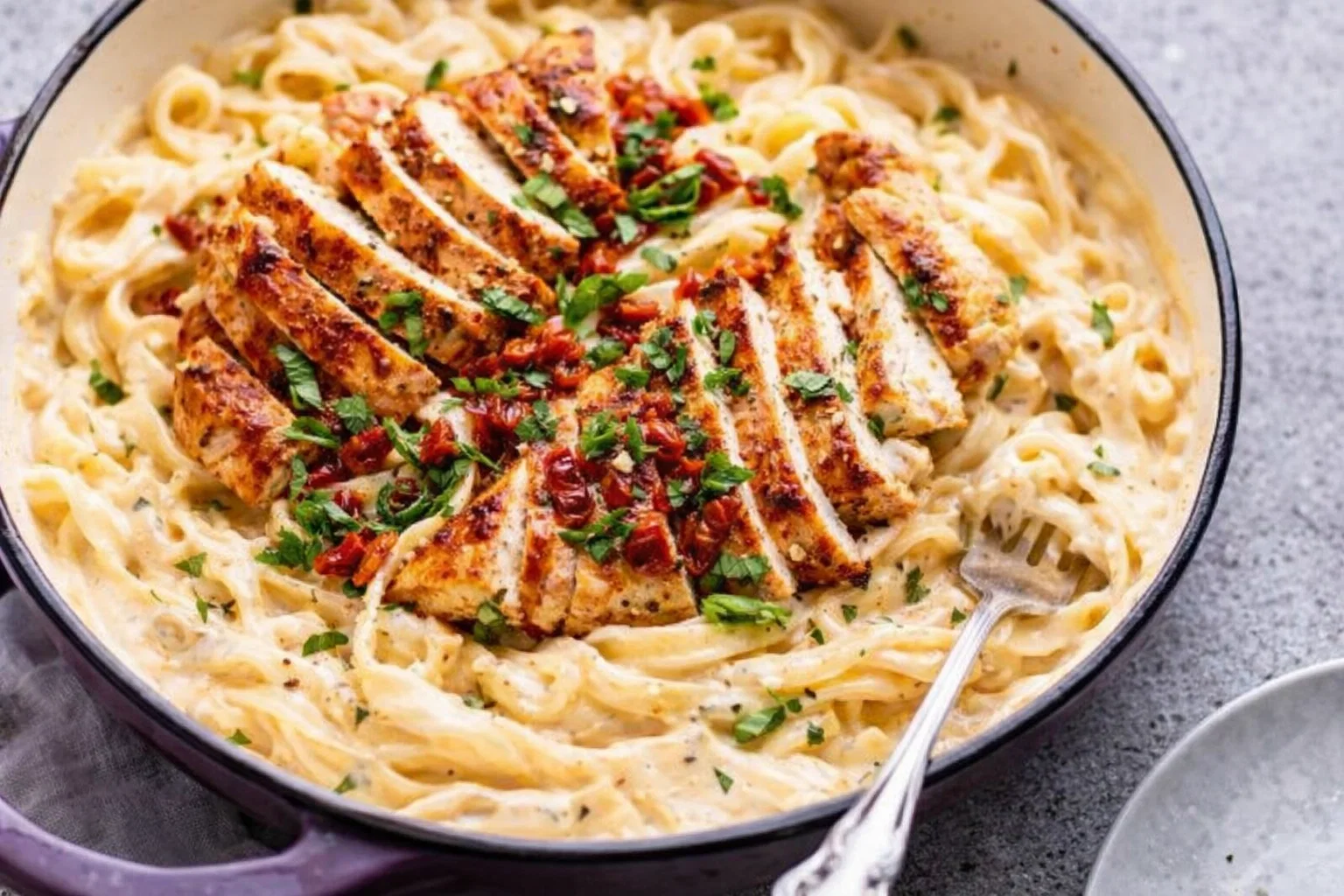
Chicken Alfredo Recipe
Table of Contents
I. The ‘Plate-Licker Approved’ Chicken Alfredo
Let’s be honest — most homemade chicken alfredo recipes end in one of two ways: a sauce that is either too thin and watery, or a clumpy, greasy mess that slides off the noodles. Not this one. This chicken alfredo recipe has been tested, tweaked, and perfected to deliver full restaurant-quality results in about 30 minutes flat, right from your own stovetop. We are talking better than Olive Garden. Yes, really.
Thank you for reading this post, don't forget to subscribe!The goal here is simple: a chicken alfredo recipe that earns the highest possible praise — Plate-Licker Approved — from even the pickiest eaters at your table. Whether that is a fussy five-year-old, a carb-skeptical partner, or a guest who claims they ‘do not really like pasta,’ this creamy pasta dish has a perfect track record of changing minds. It is the kind of homemade alfredo that makes people put down their phones, stop mid-conversation, and just eat.
Rich, glossy, and loaded with flavour, this easy chicken alfredo is the weeknight dinner hero you have been looking for. Follow the pro tips below and you will never order it at a restaurant again.
II. Pro-Tips for the Juiciest Chicken
The chicken is the first critical variable in any great chicken alfredo recipe. Rubbery, dry, or bland chicken can undermine even the most velvety alfredo sauce. These techniques will ensure perfectly juicy, tender chicken every single time.
Uniform Cooking
Thick, uneven chicken breasts are the enemy of consistent cooking. Before anything else, place your chicken breasts between two sheets of plastic wrap or in a zip-lock bag and pound them to an even thickness — ideally around half an inch. This simple step ensures every part of the chicken cooks at the same rate, reaching that perfect internal temperature in just 5 to 7 minutes per side without any part drying out while you wait for the thick end to catch up.
The Velvetizing Technique
If you have ever wondered how Chinese restaurants achieve that impossibly silky, tender chicken in stir-fries, the answer is velvetizing — and it works brilliantly in a chicken alfredo recipe too. To velvetize your chicken, toss the sliced or cubed pieces in a mixture of egg white, a teaspoon of cornstarch, and a splash of rice wine or dry sherry. Allow it to rest for 20 to 30 minutes before cooking. The result is chicken that is unbelievably tender and moist, with a delicate texture that soaks up the creamy alfredo sauce beautifully. Once you try it, you will never make this Italian chicken pasta dish any other way.
Don’t Overcook
Overcooked chicken is the single most common mistake in homemade chicken alfredo Recipe. The fix is simple: use an instant-read thermometer. Pull the chicken off the heat the moment it hits the magic mark of 165°F internally. At that temperature, the chicken is fully safe to eat and still perfectly juicy. Let it rest for 3 to 5 minutes before slicing — this allows the juices to redistribute rather than run out onto your cutting board.
III. Mastering the ‘No-Break’ Velvety Alfredo Sauce
The sauce is the soul of any chicken alfredo recipe. A perfect homemade alfredo sauce is glossy, smooth, and thick enough to coat every strand of pasta without pooling at the bottom of the bowl. Achieving that result consistently comes down to three key principles.
The Golden Rule: Block the Pre-Shredded Cheese
If you take away only one tip from this entire chicken alfredo recipe, let it be this: never, under any circumstances, use pre-shredded Parmesan cheese in your alfredo sauce. Pre-shredded cheese is coated in anti-caking agents like cellulose that prevent it from melting smoothly, leaving you with a grainy, clumpy sauce that no amount of stirring will fix. Always buy a block of fresh Parmesan and grate it yourself immediately before adding it to the sauce. The difference is dramatic, and your homemade alfredo sauce will thank you for it.
Temperature Control and the No-Break Technique
A broken alfredo sauce — one that separates into greasy pools of butter and dry cheese clumps — is the nightmare of every home cook. The antidote is temperature control. Keep your heat at medium-low throughout the sauce-making process; high heat is the primary cause of sauce breaking. The most important application of this rule is the ‘No-Break’ technique: remove the pan entirely from the heat before adding your freshly grated Parmesan. Stir it in gradually off the heat, allowing the residual warmth of the cream to melt the cheese gently and smoothly. This single step is the difference between a silky, restaurant-quality alfredo sauce and a greasy disappointment.
Texture Insurance: The Cheater Methods
Even with perfect technique, some nights you just want a guarantee. Two reliable ‘cheater’ methods will ensure your creamy pasta sauce thickens beautifully every time. The first: stir in 1/4 cup of softened cream cheese along with the Parmesan. It dissolves seamlessly into the sauce, adding body, tang, and an extra layer of creaminess that is virtually undetectable. The second option is a tiny roux — cook equal parts butter and flour together for 60 seconds before adding your cream. Either approach gives you a thick, stable, velvety alfredo sauce that holds its texture all the way from pan to plate.
IV. Elevating Flavor: The Secret Add-ins
A good chicken alfredo recipe is built on quality ingredients. A great one knows how to squeeze every last drop of flavour from the cooking process itself.
Use the Fond
After searing your chicken, do not wipe out the pan. Those golden-brown drippings and caramelised bits clinging to the bottom — known in French cooking as the fond — are pure, concentrated flavour. Cook your alfredo sauce directly in the same pan, and as the cream hits the heat, it will lift and dissolve those savoury bits right into your sauce. This is the single biggest reason why restaurant chicken alfredo tastes so much more complex and deep than most homemade versions.
The Italian Secret: A Pinch of Nutmeg
This is the ingredient that makes people ask ‘what IS that?’ Freshly grated nutmeg has been a staple of classic Northern Italian cream sauces for centuries, and for good reason. Just a small pinch — no more than a quarter teaspoon — added to your homemade alfredo sauce creates a warm, subtly sweet background note that adds authentic depth and makes the sauce taste unmistakably Italian. It does not taste like nutmeg. It tastes like something is perfectly right.
Deglazing with White Wine
For an extra layer of complexity, try deglazing the pan with a few tablespoons of dry white wine after the chicken is cooked and before you build the sauce. Pour the wine into the hot pan and use a wooden spoon to scrape up all those flavour-packed good bits from the bottom. Allow the wine to reduce for about 60 seconds — cooking off the alcohol and leaving behind a concentrated, slightly tangy base that gives your chicken alfredo recipe a genuine depth that heavy cream alone simply cannot provide.
V. Step-by-Step Execution
This chicken alfredo recipe moves fast. Think of it as stir-fry fast — once you start cooking, there is very little downtime between steps. The key to a smooth, stress-free execution is preparation. Have every ingredient measured, grated, and within arm’s reach before your first burner comes on.
Prep First
Mise en place — the French concept of having everything in its place before cooking begins — is not just for professional chefs. For this easy chicken alfredo, it is essential. Grate your Parmesan fresh. Measure your cream. Have your pasta water already salted and boiling, your garlic minced, and your chicken pounded and seasoned. The entire dish comes together in about 15 minutes of active cooking, and there is simply no time to be hunting for the cheese grater once the cream is in the pan.
Noodle Management
Salt your pasta water generously — it should taste pleasantly salty, like a mild broth. This is your only opportunity to season the pasta itself, and under-salted noodles will dull the entire dish. As the pasta nears al dente, reserve at least half a cup of the starchy cooking water before draining. This ‘liquid gold’ is your secret weapon for adjusting sauce consistency. A splash or two stirred into the finished sauce can loosen it, help it cling to the pasta, and create that glossy, emulsified texture that defines a truly great chicken alfredo.
The Assembly
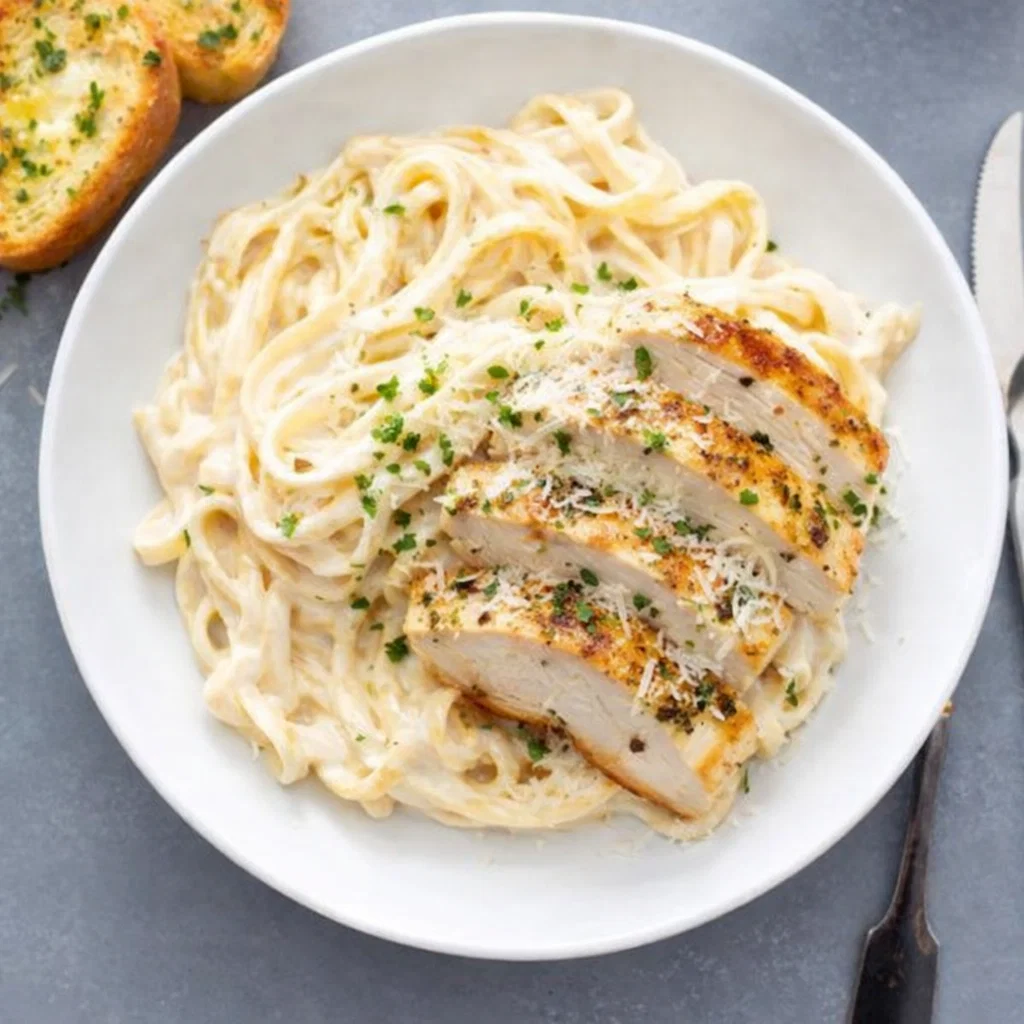
Timing is everything here. Drain the pasta while the sauce is still on the heat and transfer the noodles immediately into the sauce — do not rinse the pasta, ever, as this washes away the starch that helps the sauce cling. Toss vigorously so every strand of fettuccine is thoroughly coated, adding splashes of reserved pasta water as needed to achieve your ideal consistency. Add the sliced chicken on top, finish with extra Parmesan and cracked black pepper, and serve immediately.

VI. Customisations and Reader Variations
One of the things that makes this chicken alfredo recipe so enduringly popular is how adaptable it is. Here are the most-loved ways to make it your own.
Veggie Boosts
Adding vegetables to your creamy chicken pasta is a brilliant way to introduce colour, texture, and nutritional value without disrupting the dish’s comforting character. The most popular additions include:
- Broccoli florets — blanch separately and toss in at the end for tender-crisp texture
- Sliced mushrooms — sauté in the same pan after the chicken for an earthy, umami-rich addition
- Fresh baby spinach — stir directly into the hot sauce at the end; it wilts in seconds
- Frozen peas — add straight from the freezer into the hot pasta; they warm through instantly
Dietary Swaps
This recipe is easy to adapt for different dietary needs without sacrificing the creamy alfredo experience:
- Low-Carb Version: Serve the sauce and chicken over zucchini noodles (zoodles) or a bed of steamed broccoli florets for a satisfying, carb-conscious alternative that still delivers every bit of that rich, creamy flavour
- Lighter Version: Substitute the heavy cream with half-and-half or whole milk for a noticeably lighter sauce. Note that the sauce will be slightly thinner — use the cream cheese or roux cheater method from Section III to compensate for body and thickness
VII. Storage and the ‘Smooth’ Reheating Hack
The Reality Check
Here is the honest truth about leftover chicken alfredo: the sauce will separate when cold. This is the natural behaviour of a cream-and-cheese emulsion, and it does not mean anything went wrong. What you will find in the fridge the next day is a congealed, somewhat oily-looking pasta situation that bears little resemblance to last night’s glossy masterpiece. Do not panic, and absolutely do not microwave it as-is — that is the fastest route to an oily noodle disaster.
The Fix
The correct way to reheat leftover chicken alfredo pasta is on the stovetop over low heat. Place the pasta in a non-stick pan or saucepan and add a generous splash of fresh milk or half-and-half — start with two to three tablespoons and add more as needed. Heat gently, stirring constantly, and watch as the sauce slowly re-emulsifies and returns to its smooth, creamy consistency. Within three to four minutes, your leftover chicken alfredo will look and taste almost indistinguishable from freshly made. A fresh grating of Parmesan stirred in at the end does not hurt either. Store leftovers in an airtight container in the refrigerator for up to 3 days.
VIII. Serving Suggestions: Balancing the Richness
Chicken alfredo is a wonderfully indulgent dish, and a little thoughtful planning around what you serve alongside it can elevate the entire meal from simply satisfying to genuinely memorable.
Side Dish Pairings
The richness of a cream-based pasta dish calls for sides that are bright, light, and fresh enough to balance the heaviness. Top recommendations include:
- Roasted asparagus — tossed in olive oil, salt, and lemon zest, roasted at 425°F for 12 minutes. The slight char and acidity cut right through the richness of the alfredo
- Cucumber tomato salad — crisp, tangy, and refreshing; essentially a palate-cleansing ‘chaser’ between bites of the creamy pasta
- A simple green side salad — dressed with a sharp vinaigrette works the same magic; the acidity of the dressing balances the fat in the sauce beautifully
The Classic Carb Combo
No chicken alfredo recipe is truly complete without something to mop up the extra sauce. Homemade garlic bread — thick slices of crusty Italian bread brushed with garlic butter and toasted until golden — is the classic pairing for good reason. Alternatively, homemade garlic knots deliver the same garlicky, buttery satisfaction in a more dinner-party-friendly format. Either way, do not skip the bread. Your guests will be grateful, and that last puddle of velvety alfredo sauce at the bottom of the bowl absolutely deserves to be rescued.
Looking for more dinner inspiration?
- Grilled Cheese Burrito
- Amish Hamburger Steak Bake: The Ultimate Comfort Food Dinner
- Philly Cheesesteak Egg Rolls
- Cheesy Garlic Chicken Wraps: High-Protein Comfort in 22 Min
- Chicken Caesar Sandwich
- Sour Cream Beef Noodle Casserole
- Taco Bowl Recipe
- Honey Garlic Shrimp: The Best Healthy Dinner in 20 Minutes
- Authentic Carbonara Recipe
- Mac and Cheese Meatloaf Casserole