
Honey Garlic Roasted Carrots
Table of Contents
I. The Ultimate Crowd-Pleaser: Why This Recipe Works
Let me be upfront with you about something: carrots don’t usually get the spotlight. They’re the dependable background player of the vegetable world — always there, rarely celebrated, mostly tolerated. At most dinner tables, they exist purely as a vehicle for Ranch dip or a reluctant addition to a veggie tray that nobody touches until everything else is gone.
Thank you for reading this post, don't forget to subscribe!These Honey Garlic Roasted Carrots change that story completely.
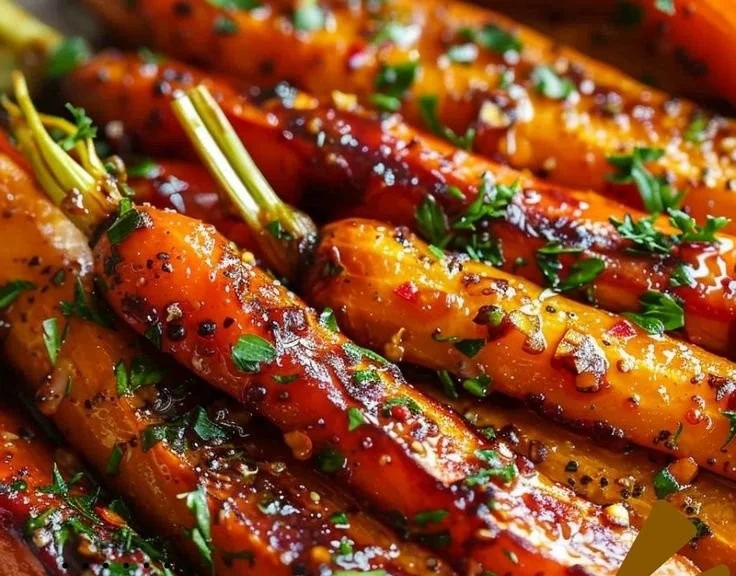
The moment that sticky, golden glaze hits the pan and the smell of caramelizing honey and butter starts drifting through your kitchen, you’ll understand why this recipe has become the most-requested side dish at my table. There’s something almost magnetic about the combination — the honey creates this gorgeous, lacquered coating that clings to each carrot, the garlic adds a savory depth that keeps it from tipping into dessert territory, and the roasting process transforms the whole thing into something that feels genuinely special.
Here’s what’s remarkable: kids go absolutely wild for these. And I mean kids who have previously declared carrots their sworn enemy. When you wrap them in garlic butter and honey and roast them until the edges are slightly caramelized and the centers are melt-in-your-mouth tender, carrots stop being a punishment and start being something children actually ask for by name. That alone is worth the price of admission.
From a practical standpoint, this recipe is a weeknight dream. Total time from prep to table is just 35 minutes, the ingredients cost next to nothing, and the technique is forgiving enough that even a complete beginner can pull it off confidently. Yet it’s elegant enough to sit beside a beef tenderloin at a holiday dinner without looking out of place. That kind of versatility is genuinely rare in a side dish.
II. Master the Honey-Garlic Sauce: Quality Ingredients
The glaze is everything here, so let’s talk about what goes into it and why each component earns its place.
Butter is your foundation. It provides the richness that makes the glaze feel indulgent rather than merely sweet. Use real butter — not margarine, not a butter substitute. The milk solids in real butter brown slightly during cooking and add a nutty, complex undertone that you simply cannot replicate with anything else.
Fresh minced garlic is non-negotiable. Garlic powder will give you garlic flavor, sure, but it won’t give you that deeply savory, slightly toasty quality that comes from actual garlic cooked in butter until it just begins to turn golden. That three-minute window of sautéing fresh garlic in melted butter is where the magic starts, and it cannot be shortcut.
Honey is what makes the glaze sticky, glossy, and utterly irresistible. It caramelizes under high heat in a way that creates those gorgeous, slightly chewy edges on each carrot. Use a good-quality honey — it doesn’t need to be artisan or expensive, but avoid the highly processed varieties that have had most of their flavor stripped away. A solid clover or wildflower honey works beautifully.
Salt and pepper round everything out. Don’t underseason — the salt is what keeps the dish from reading as sweet rather than savory.
For garnish, fresh flat-leaf parsley is the classic choice. It adds a clean, green brightness that cuts through the richness of the glaze and makes the dish look genuinely beautiful on the plate. Fresh dill is a lovely alternative if you want something slightly more delicate and aromatic. Chives work wonderfully too, adding a mild oniony note that complements the garlic.
If honey isn’t your preference or you simply don’t have it on hand, both maple syrup and brown sugar make excellent substitutes. Maple syrup brings a deeper, earthier sweetness with subtle caramel notes. Brown sugar gives you a more straightforward caramel flavor and creates an incredibly thick, glossy glaze. Either will work — just use the same quantity as the honey called for in the recipe.
III. The Art of Roasting: Process and Technique
Technique matters more than most people realize with roasted vegetables, and a few specific decisions will determine whether your carrots come out perfectly caramelized or disappointingly uneven.
Cut everything the same size. This sounds obvious, but it’s the step most home cooks rush through and then wonder why half their carrots are mushy while the other half still have a raw, crunchy bite. Cut your carrots into uniform two to three-inch diagonal pieces. The diagonal cut isn’t just aesthetic — it exposes more surface area to the heat of the pan, which means more caramelization, more texture, and more flavor development. Every piece should be roughly the same thickness so they all reach tender perfection at exactly the same moment.
Watch your garlic like a hawk. This is the step where the dish can go sideways if you’re not paying attention. Melt your butter over medium heat — not medium-high, not high — and add the minced garlic. Stir it frequently and give it about three minutes, until it’s lightly golden and smells incredible. The moment garlic tips from golden to dark brown, it becomes bitter, and bitter garlic will undermine the entire dish. Stay present, stir consistently, and pull it off the heat as soon as it reaches that perfect light amber color.
Once your glaze is ready, add the carrots to the pan and toss them thoroughly. Every piece should be evenly coated — don’t rush this step. Transfer everything to a baking sheet in a single layer. Crowding the pan is another common mistake that leads to steaming rather than roasting. Give each carrot piece a little breathing room and spread them out generously.
Roast at 425°F for 22 to 25 minutes. High heat is essential here. Lower temperatures will cook the carrots, but they won’t caramelize the glaze or develop those slightly crispy, deeply golden edges that make this dish so addictive. At 425°F, the honey reduces and concentrates, the garlic deepens, and the carrots develop a tender interior with edges that have just the faintest chew to them. Check them at the 22-minute mark — they should be easily pierced with a fork and beautifully colored.
IV. Expert Customizations: Make It Yours
Once you’ve mastered the base recipe, the real fun begins. This glaze is an extraordinarily flexible canvas.
Add a balsamic twist. A splash — about one tablespoon — of good balsamic vinegar stirred into the glaze before tossing the carrots introduces a rich, tangy complexity that elevates the whole dish considerably. It deepens the flavor, adds a subtle acidity that balances the sweetness, and gives the glaze an even glossier, more luxurious finish. If you’ve never tried it, start here.
Experiment with warm spices. A pinch of cumin adds an earthy, slightly smoky undertone that pairs beautifully with honey. Cinnamon brings warmth and makes the dish feel almost Moroccan in character — wonderful alongside lamb or chicken. Chili flakes introduce a slow, pleasant heat that plays brilliantly against the sweetness of the honey. Smoked paprika is perhaps the most transformative addition — it brings a deep, woodsy smokiness that makes the dish taste like it came off a grill rather than out of an oven.
Build a root vegetable medley. Carrots aren’t the only vegetable that shines under this glaze. Parsnips absorb it beautifully and bring a slightly peppery sweetness. Turnips add an earthy bite. Cubed acorn squash becomes almost jammy and incredibly rich. Sweet potatoes are perhaps the most natural companion, their natural sweetness amplified by the honey in the most wonderful way. Mix and match based on what’s in season and what looks good at the market.
Using baby carrots? Totally fine — just adjust your roasting time downward by about five minutes and keep an eye on them after the 15-minute mark. They’re smaller and more uniform, so they cook faster and can tip into mushy territory if you let them go too long.
V. Practical Preparation and Serving
Make it ahead without sacrificing quality. These carrots can absolutely be prepared a day in advance, which makes them ideal for holiday cooking when oven space and timing become a serious logistical challenge. Roast them fully, let them cool, and store them in an airtight container in the refrigerator overnight. When you’re ready to serve, reheat them gently on the stovetop over medium-low heat with a small knob of fresh butter. The butter revives the glaze, brings back the glossy coating, and restores most of that fresh-roasted quality. Avoid reheating in the microwave — it makes them limp and dull.
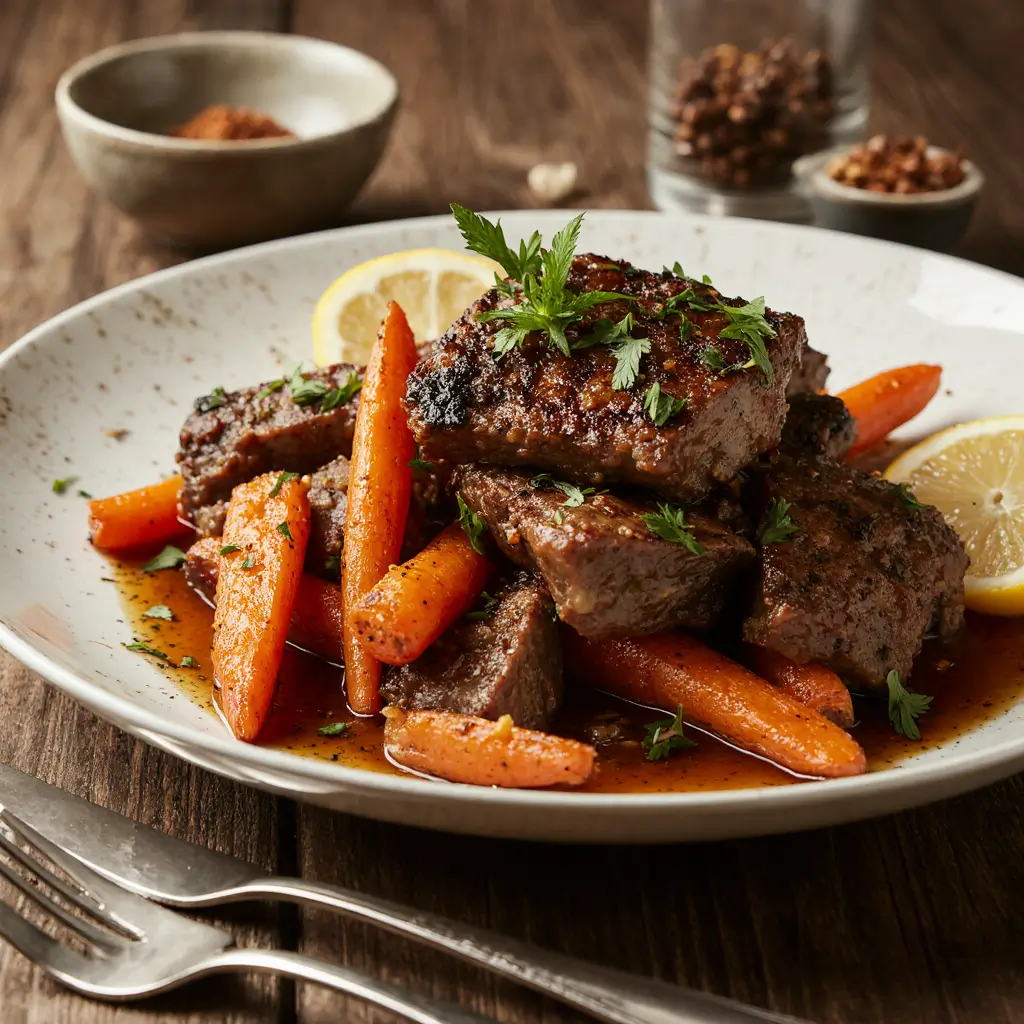
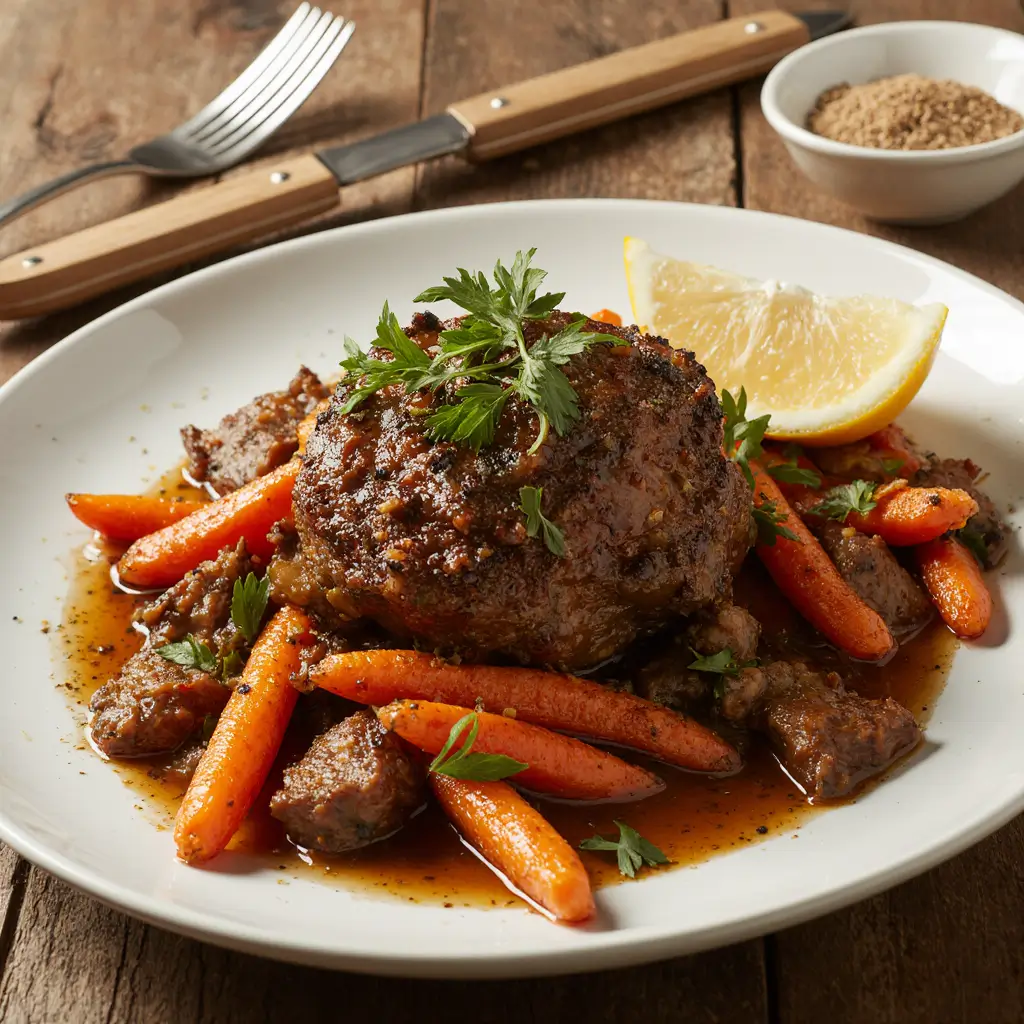
Pairing suggestions. These carrots are genuinely one of the most versatile side dishes in a cook’s repertoire. They’re magnificent alongside juicy roast chicken, where their sweetness complements the savory, crispy skin beautifully. They hold their own next to an oven-grilled steak or a showstopping beef tenderloin. For a lighter pairing, they’re wonderful with baked cod or salmon, where the honey glaze echoes the natural sweetness of the fish without overwhelming it.
Storage and nutrition. Store leftovers in an airtight container in the refrigerator for up to two days. Each serving comes in at approximately 170 calories, making this one of the more indulgent-tasting dishes you’ll find at that calorie count. The carrots themselves are rich in beta-carotene, fiber, and vitamin K, so you’re genuinely nourishing yourself even while eating something that tastes like a treat.
One final thought: the next time someone tells you they don’t like carrots, make them these. Then watch their face when they realize everything they thought they knew about this humble vegetable was completely wrong.
Loved this recipe? Try our Crispy Lemon Parmesan Smashed Potatoes or our Honey Garlic Roasted Brussels Sprouts for more side dishes that refuse to play second fiddle.