
Spicy Mexican Donkey Balls Recipe
Table of Contents
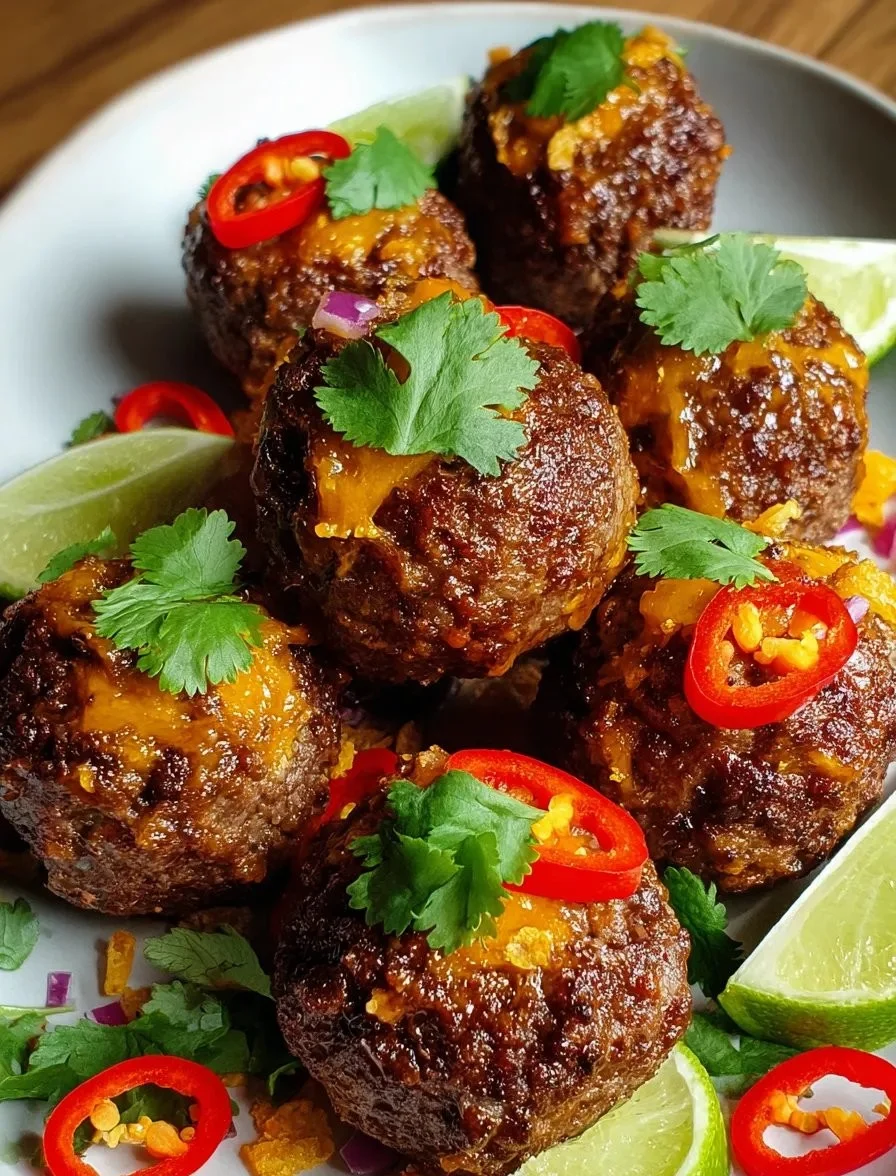
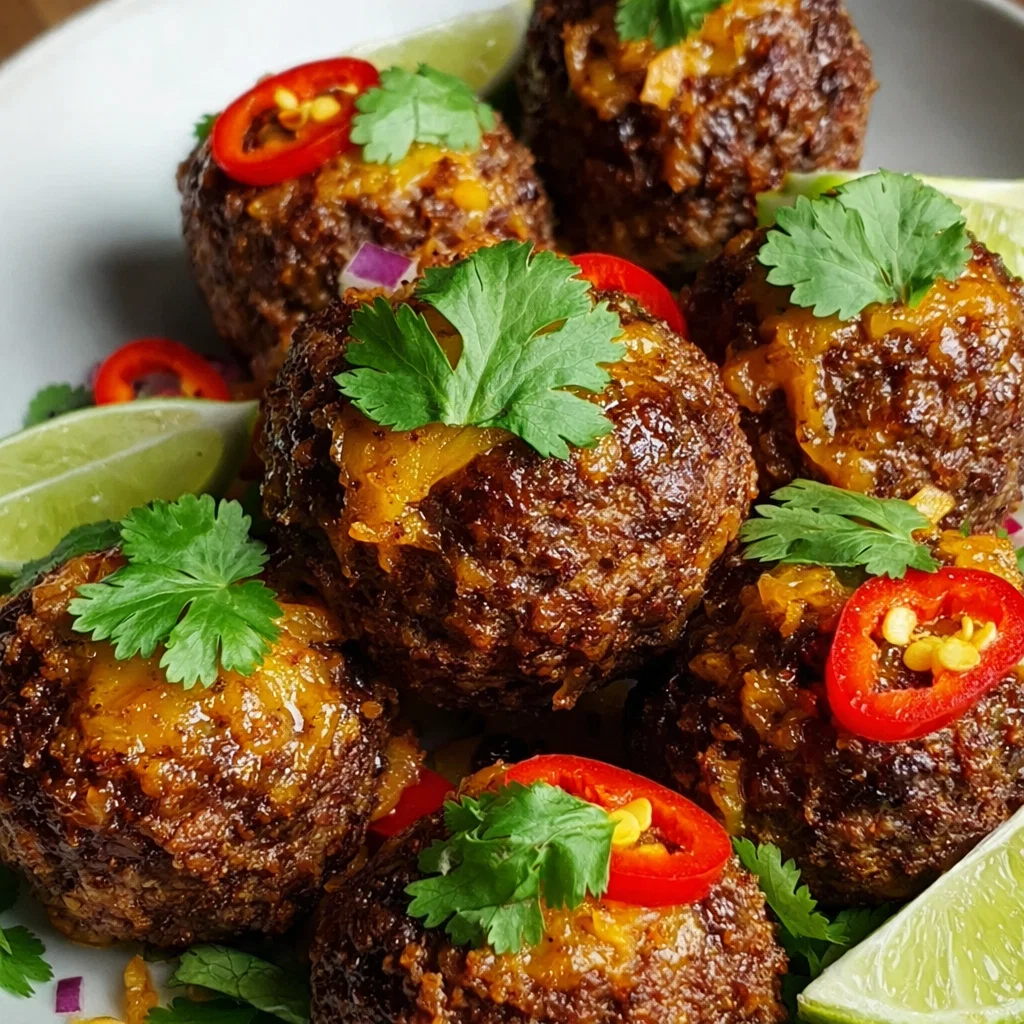
Let’s address the name immediately — because yes, it stops you mid-scroll, and yes, that’s entirely the point. But once you get past the name and take your first bite of these Spicy Mexican Donkey Balls, the only thing you’ll be thinking about is how quickly you can make another batch. The crispy, golden cornmeal exterior gives way to a moist, intensely savory filling packed with seasoned ground meat, caramelized peppers, melted cheddar, and just enough jalapeño heat to make every single bite genuinely exciting.
Thank you for reading this post, don't forget to subscribe!This is the appetizer that clears the platter before you’ve finished telling people what it’s called. The flavor profile is a deliberate balancing act — savory depth from browned meat, sweet caramelization from bell peppers and onions, sharp heat from fresh jalapeños, and a rich, creamy melt from cheddar cheese — all wrapped in a crunchy cornmeal crust that provides the textural contrast that makes the whole thing so compulsively snackable. It’s bold, it’s satisfying, and it’s the kind of dish that generates requests for the recipe before the plate is empty.
Inspired by the flavor traditions of traditional Mexican cuisine — the cumin-forward seasoning, the chile heat, the corn-based exterior — these spicy Mexican appetizer balls bring those flavors together in a format that works equally well as a party appetizer, a game night snack, or an unexpected dinner side that becomes the most talked-about thing on the table.
The Science of Flavor: Why This Recipe Works
Layering Flavors for Maximum Impact
The reason this Spicy Mexican Donkey Balls recipe works as well as it does comes down to deliberate flavor layering — the culinary principle that building distinct flavor components sequentially produces a more complex, more satisfying result than combining everything at once. The heat of jalapeños comes from capsaicin — a compound that builds and lingers, creating a warmth that deepens as you eat rather than hitting all at once and fading. The sweetness of bell peppers comes from their natural sugar content, which caramelizes during the sautéing stage into a rich, slightly jammy sweetness. The richness of ground meat provides the fat-soluble flavor compounds that carry and amplify every other flavor in the mixture. Together these three elements create what food professionals call a harmonious explosion — a flavor that is simultaneously more complex and more satisfying than any single component could produce in isolation.
The Maillard Reaction: Depth Through Browning
The browning of the ground meat in this Mexican donkey balls recipe is not merely about cooking the protein through — it’s about triggering the Maillard reaction, the chemical process that occurs when amino acids and sugars in the meat are exposed to sufficient heat. This reaction produces hundreds of new flavor compounds — roasted, savory, slightly caramelized notes — that are completely absent from merely cooked, unbrowned meat. This is why recipes that instruct you to cook ground meat over medium-low heat until “just cooked through” produce a less flavorful result than those that cook at higher heat long enough for genuine browning to occur. In these spicy Mexican appetizer bites, the browned meat is the flavor foundation that everything else is built upon.
Textural Chemistry: Cornmeal and Eggs
The exterior of each Spicy Mexican Donkey Ball is coated in cornmeal — a choice that is both texturally and functionally superior to breadcrumbs for this specific application. Cornmeal’s larger, coarser grain structure creates a crunchier, more distinct crust that resists sogginess better than fine breadcrumbs. Its natural corn flavor reinforces the Mexican culinary profile of the filling. And its moisture-absorbing properties during baking draw surface moisture away from the ball’s exterior, creating the distinctly crispy, dry surface that contrasts so satisfyingly with the moist, juicy interior. Eggs serve as the binding agent — their proteins set during baking and hold the meat, cheese, and vegetable mixture together into a cohesive ball that slices cleanly and holds its shape during handling and serving.
Ingredient Breakdown and Functional Roles
The Protein Base
Ground beef is the classic choice for these cheesy Mexican meat balls and produces the richest, most deeply flavored result — particularly 80/20 ground beef, where the fat content keeps the interior moist throughout the baking process. Ground chicken is a leaner alternative that produces a lighter, more neutral-flavored interior that allows the jalapeño and spice notes to come forward more prominently. Ground turkey is the leanest option and requires the most careful handling — its lower fat content means it dries out more quickly during baking, so reducing the bake time by 3 to 5 minutes and ensuring the mixture has adequate cheese and vegetable moisture is important for a satisfying result with turkey.
Aromatics and Peppers
Yellow onion, diced and sautéed until soft and just beginning to caramelize, provides the sweet, savory aromatic backbone of the filling. Fresh garlic, minced and added after the onion has softened, contributes sharp depth that mellows into the background of the finished filling without disappearing entirely. Fresh jalapeños, diced with seeds included for maximum heat or seeded for a milder result, deliver the capsaicin-driven heat that gives these spicy Mexican snacks their character. Bell peppers — red or orange for maximum sweetness — add natural sugar compounds that caramelize beautifully in the hot pan and add color and sweetness that balance the jalapeño heat.
Richness and Texture
Sharp cheddar cheese, shredded fresh from a block rather than from a pre-shredded bag, melts completely into the filling mixture during baking and contributes a creamy, slightly tangy richness that binds the interior together and prevents it from feeling dry or crumbly. Cornmeal for the exterior crust provides the distinctive crunch that makes these baked Mexican appetizers so texturally satisfying — its coarse grain absorbs surface moisture during baking and creates a shell-like exterior that shatters slightly on the first bite before giving way to the juicy, cheesy interior.
Pro-Level Enhancements: The Make It Better Section
Texture Boosters
Two additions elevate the interior texture of these Spicy Mexican Donkey Balls from good to exceptional. Diced black olives — stirred into the meat mixture before shaping — add a briny, slightly fatty richness that complements the cheddar and contributes a distinct textural element that makes each bite more complex. Whole kernel corn — fresh, frozen, or canned and well-drained — adds bursts of sweet, slightly crisp texture that contrast with the soft meat mixture and reinforce the corn flavor of the exterior cornmeal crust. Either addition works independently or together.
Precision Heat Control
For households that want more heat in their spicy Mexican meat balls, swap the sharp cheddar entirely for Pepper Jack cheese — its embedded jalapeño and pepper bits distribute heat throughout every bite of the interior rather than concentrating it only where fresh jalapeño pieces are present. For a milder result suitable for heat-sensitive guests or children, replace the jalapeños with additional diced bell pepper of any color — you maintain the vegetable content and the caramelized sweetness without any capsaicin heat. Serving with a bowl of sour cream alongside provides each diner with a personal heat management tool — the dairy fat in sour cream neutralizes capsaicin effectively and provides a cooling counterpoint.
The Freshness Factor
The heavy, savory, meaty character of these Mexican donkey balls benefits significantly from the addition of fresh cilantro or fresh flat-leaf parsley stirred into the cooled meat mixture before shaping. Fresh herbs introduce volatile aromatic compounds that cut through the richness of the cheese and meat, brighten the overall flavor profile, and add a fresh, green note that prevents the filling from tasting one-dimensionally heavy. Cilantro is the more authentic choice for the Mexican flavor profile; parsley is the better option for households where cilantro’s polarizing soapy quality is an issue.
Detailed Step-by-Step Culinary Method
Step 1: Building the Aromatic Base
Heat 2 tablespoons of olive oil in a large skillet over medium heat. Add the diced yellow onion and cook stirring occasionally for 4 to 5 minutes until softened and translucent. Add the freshly minced garlic and stir constantly for 60 seconds until fragrant. The onion and garlic build the flavor foundation that every subsequent ingredient is layered upon — do not rush this stage.
Step 2: Caramelizing the Vegetables
Add the diced bell peppers and jalapeños to the softened onion and garlic. Cook stirring occasionally for 4 to 5 minutes until the peppers are softened and their natural sugars have begun to caramelize, producing a slightly sweet aroma and a deeper color at the edges. The caramelization of the pepper sugars is the flavor development step that gives the filling its characteristic sweet-heat balance.
Step 3: Mastering the Meat
Increase heat to medium-high and add the ground beef, chicken, or turkey to the vegetable mixture. Use a wooden spoon or spatula to break the meat into small, uniform pieces as it cooks. Cook without stirring too frequently — allowing the meat to remain in contact with the hot pan for 30 to 60 seconds at a time before stirring — to develop genuine browning through the Maillard reaction. Cook for 6 to 8 minutes until the meat is completely browned and cooked through with no pink remaining.
Step 4: Seasoning and Integration
Remove the pan from heat and sprinkle ground cumin, chili powder, salt, and black pepper evenly over the browned meat and vegetable mixture. Stir thoroughly to distribute the spices completely throughout the mixture — uneven seasoning distribution creates inconsistently flavored bites. Taste and adjust spice levels before the mixture cools.
Step 5: The Binding Process
Transfer the seasoned meat mixture to a large bowl and allow it to cool to room temperature — approximately 15 to 20 minutes. This cooling step is non-negotiable: adding eggs and shredded cheese to a hot mixture causes the eggs to begin cooking immediately and the cheese to melt unevenly, compromising both the binding function and the texture of the finished balls. Once cooled, add the beaten eggs and shredded cheddar cheese and mix until evenly combined and the mixture holds together when pressed.
Step 6: Shaping and Coating
Spread cornmeal in a shallow dish. Using a cookie scoop or two spoons, portion the mixture into golf ball-sized portions — uniform sizing ensures even baking across all pieces on the tray. Roll each ball between your palms to compact it into a smooth, cohesive sphere, then roll in the cornmeal pressing gently to ensure complete, even coverage. Place on a parchment-lined baking sheet as you work.
Precision Baking and Technique
The Golden Standard
Preheat the oven to 375°F (190°C) and place the rack in the center position. Bake the Spicy Mexican Donkey Balls for 25 to 30 minutes until the cornmeal exterior is deeply golden and crispy and the internal temperature of the meat filling reads 165°F on an instant-read thermometer.
The No-Steam Rule
Place the cornmeal-coated balls on the baking sheet with at least 1 inch of space between each piece — never touching and never crowded. Crowding the baking sheet traps steam released by the cooking meat and vegetables and prevents the cornmeal exterior from crisping properly. The moisture from a crowded pan turns the cornmeal coating soft and slightly gummy rather than producing the distinct, crunchy crust that makes these baked Mexican appetizer bites so satisfying. If the full batch doesn’t fit with adequate spacing, bake in two separate rounds rather than crowding a single sheet.
The Resting Period
Allow the finished balls to rest on the baking sheet for 3 to 5 minutes after removing from the oven before serving. During baking the internal juices are pushed toward the exterior of the meat by the heat. Resting allows these juices to redistribute back through the filling, ensuring that the first bite delivers the maximum possible moisture and flavor rather than releasing all the accumulated juices in a single rush.
Recipe Card
Spicy Mexican Donkey Balls Prep Time: 30 minutes | Cook Time: 30 minutes | Total Time: 60 minutes | Yield: 4 servings (approximately 16 to 20 balls)
Ingredients
- 1 lb ground beef, chicken, or turkey
- 2 tablespoons olive oil
- 1 medium yellow onion, finely diced
- 3 cloves garlic, minced
- 2 jalapeños, diced (seeded for less heat)
- 1 medium bell pepper, diced
- 1 teaspoon ground cumin
- 1 teaspoon chili powder
- Salt and black pepper to taste
- 1½ cups shredded sharp cheddar cheese
- 2 large eggs, beaten
- 1 cup cornmeal for coating
- Fresh cilantro or parsley to taste (optional)
Nutritional Breakdown (Per Serving — Estimated)
| Nutrient | Amount |
|---|---|
| Calories | 300 kcal |
| Protein | 10g |
| Total Fat | 20g |
| Saturated Fat | 8g |
| Carbohydrates | 18g |
| Dietary Fiber | 2g |
| Total Sugars | 3g |
| Sodium | 420mg |
Post-Cooking Care: Storage and Reheating
Short-Term and Long-Term Storage
Allow completely cooled Spicy Mexican Donkey Balls to be transferred to an airtight container and refrigerated for up to 3 days. For longer storage, arrange cooled balls on a parchment-lined baking sheet and freeze until solid — approximately 2 hours — then transfer to a freezer-safe bag or container for up to 3 months. Freezing individually before bagging prevents the balls from sticking together and allows you to remove individual portions as needed.
Maintaining the Crispy Crust
Reheat refrigerated or frozen baked Mexican donkey balls in an oven preheated to 350°F for 10 to 12 minutes from refrigerated or 18 to 20 minutes from frozen until heated through and the cornmeal exterior has re-crisped. The microwave is a functional but inferior reheating option — it heats the filling effectively but softens the cornmeal crust irreversibly, producing a chewy exterior rather than the crispy crunch that makes these so satisfying. For any occasion where the texture matters, use the oven.
Frequently Asked Questions
Can I Use Different Cheese?
If cheddar isn’t available or preferred, ricotta stirred into the cooled meat mixture adds a creamy, mild richness that binds the filling while keeping the heat from the jalapeños as the primary flavor driver. Goat cheese is an outstanding alternative for adults who enjoy its tangy, slightly earthy character — it complements the cumin and chili powder beautifully and adds a sophistication to the flavor profile that cheddar doesn’t provide.
Why Bake Instead of Fry?
These healthy Mexican appetizer balls are specifically designed as a baked rather than fried application for several interconnected reasons. Baking uses significantly less oil — the cornmeal exterior crisps through dry oven heat rather than oil immersion — which reduces the total fat content per serving considerably. Baking also produces more consistent results across a full batch — every ball on the sheet receives the same heat exposure simultaneously — while deep frying requires batch cooking with temperature management between rounds. For home cooks without dedicated deep-frying equipment, baking is both safer and more practical.
Serving Suggestions
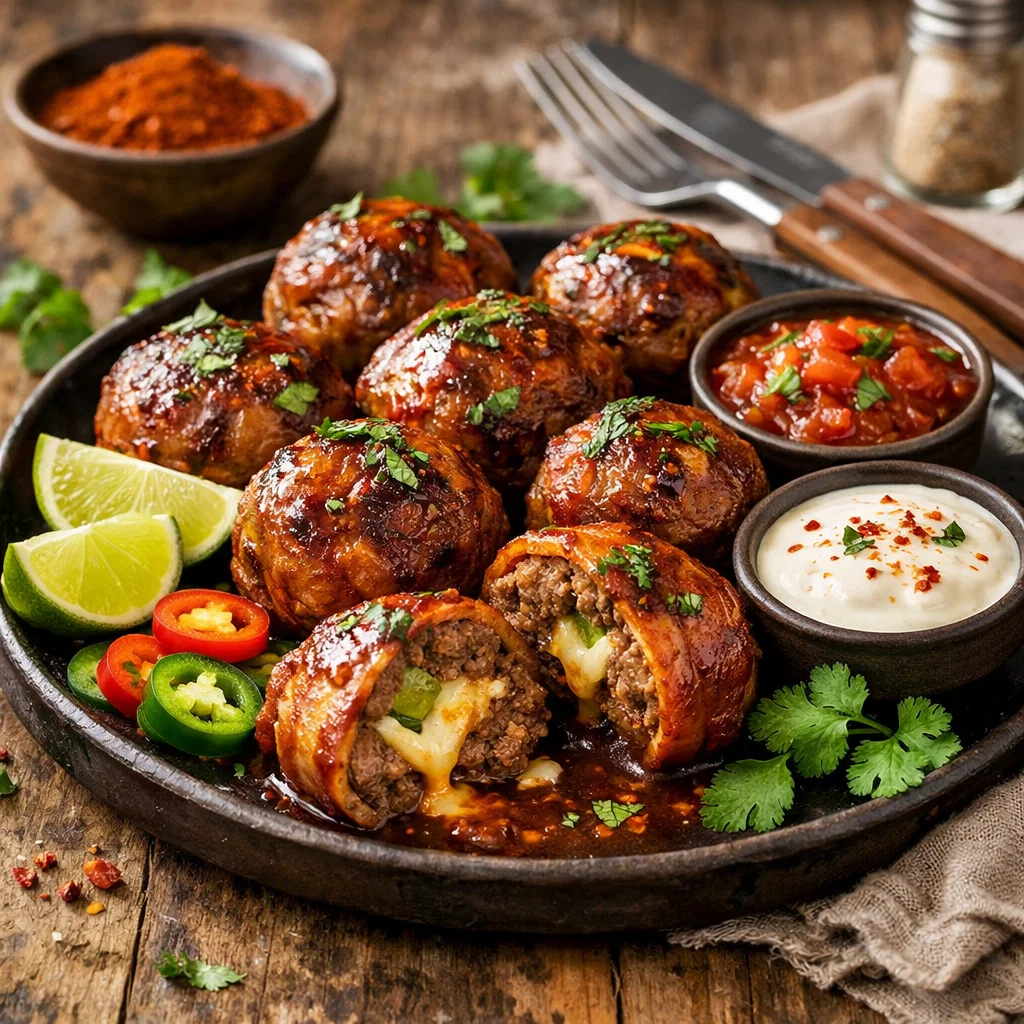
These Spicy Mexican Donkey Balls are at their best served alongside three classic Mexican-inspired accompaniments. Fresh salsa — chunky and tomato-forward — provides acidity and freshness that cuts through the richness of the meat and cheese. Guacamole adds creamy avocado richness and a cooling effect from the lime that tempers the jalapeño heat beautifully. Sour cream is the most effective heat management tool at the table — its dairy fat neutralizes capsaicin and its cool temperature contrasts with the hot filling in a way that makes every dipped bite more satisfying than the last.
Conclusion and Community Engagement
These Spicy Mexican Donkey Balls have a proven track record of being the most talked-about item at any gathering where they appear — not just because of the name, but because of what happens when people taste them for the first time. There’s a specific expression that people make when a flavor exceeds what the name and appearance suggested — a slight pause, a recalibration, and then the immediate reach for another one. Game nights, Super Bowl parties, neighborhood gatherings — this recipe has produced that expression reliably and consistently, and it will produce it at your table too.
If you make this Spicy Mexican Donkey Balls recipe, share your results with us — photos of your finished batch, the reaction they got at your table, and any variations you tried. Tag us on social media, leave a rating and comment below, and let us know which dipping sauce pairing was the crowd favorite. Every reader photo and review helps the next cook who finds this recipe know exactly what they’re in for — and helps spread the word about the appetizer with the most memorable name in the game night snack rotation.