

Creamy Chicken Pasta – The Cozy Cook
Table of Contents
There are pasta dishes that satisfy, and then there are pasta dishes that make you put down your fork mid-bite just to appreciate what you’re eating before you continue. This creamy chicken pasta is firmly in the second category — built around a silky, deeply flavored cream sauce and perfectly seared chicken with a golden, flour-dredged crust that makes every bite feel simultaneously indulgent and considered.
Thank you for reading this post, don't forget to subscribe!Stephanie of The Cozy Cook developed this recipe around a specific and worthwhile culinary ambition: to create something better than Alfredo. Not different from Alfredo — better. The classic Alfredo formula of butter, cream, and Parmesan is undeniably delicious, but it is also one-dimensional in a way that this sauce deliberately is not. By using less butter and less heavy cream than a traditional Alfredo, adding chicken broth for savory depth, and deglazing the pan with white wine to capture every caramelized bit of fond left by the seared chicken, this creamy chicken pasta recipe builds a sauce with multiple flavor layers that develop and deepen as they cook together — rich without being cloying, creamy without being heavy, and complex in a way that keeps every forkful interesting from first bite to last.
Ingredient Quality and Pro Tips
The difference between a good creamy chicken pasta and an extraordinary one often comes down not to technique but to ingredient choices made before the cooking even begins. These four decisions will impact your finished dish more than almost anything that happens at the stove.
The Cheese Rule: Grate Your Own
This is the most important ingredient instruction in the entire recipe and the one most frequently skipped by home cooks in a hurry. Buy Parmesan and Romano in wedge form and grate them yourself using the fine side of a box grater immediately before adding them to the sauce. Pre-grated cheeses — whether the shelf-stable variety in the green can or the refrigerated bags of shredded cheese — contain anti-caking agents like cellulose and potato starch that prevent the cheese from melting smoothly into hot cream sauces. The result is a grainy, slightly gritty texture and a sauce that never fully comes together into the silky, cohesive consistency that defines a great creamy pasta sauce. Freshly grated cheese melts completely and seamlessly — it’s the single change that most dramatically improves the finished sauce and it requires nothing more than an extra three minutes of prep time.
Wine Selection: Choose Wisely
The wine used to deglaze the pan in this creamy chicken pasta with wine becomes part of the sauce’s flavor profile, so the choice matters. Sauvignon Blanc is the top recommendation — its bright acidity and clean, slightly herbaceous character cuts through the richness of the cream and provides the kind of lift that makes the sauce taste balanced rather than heavy. Chardonnay is a reliable second choice that adds a slightly richer, more buttery note. Pinot Grigio works well for a lighter, more neutral result. The standing rule applies here as it does everywhere wine is used in cooking: use wine you would be happy to drink, because if it’s not good enough for the glass it’s not good enough for the sauce.
Better Than Bouillon: The Broth Upgrade
Rather than using standard canned or carton chicken broth, this homemade creamy chicken pasta recipe calls for reconstituting Better Than Bouillon chicken base in water to create the broth component of the sauce. The advantage is twofold: Better Than Bouillon produces a more concentrated, more deeply savory broth than most commercial options, and it allows you to customize the strength of the broth by adjusting the ratio of base to water. A slightly stronger concentration than the label suggests — just a touch more base per cup of water — adds a depth to the finished creamy chicken pasta sauce that standard broth simply doesn’t deliver.
The Secret Flavor Enhancers
This is the detail that separates this recipe from every other creamy chicken pasta you’ve made before, and it’s worth reading carefully. Add one teaspoon each of Worcestershire sauce, Frank’s RedHot hot sauce, and honey to the broth before incorporating it into the sauce. None of these three ingredients is present in large enough quantity to be individually detectable in the finished dish — you will not taste Worcestershire, you will not taste hot sauce, you will not taste honey. What you will taste is the combined effect of these three flavor amplifiers working in concert: the Worcestershire adds umami depth and a dark, slightly fermented savory note; the hot sauce adds acidity and a warmth that stops well short of heat; the honey rounds everything out with just enough sweetness to balance the acidity and make every other flavor in the sauce pop with more clarity and presence than they would without it. This is the secret that makes people ask what’s in this sauce when they can’t quite identify it.
The Cooking Process: Technical Excellence
Chicken Preparation: The Foundation of the Dish
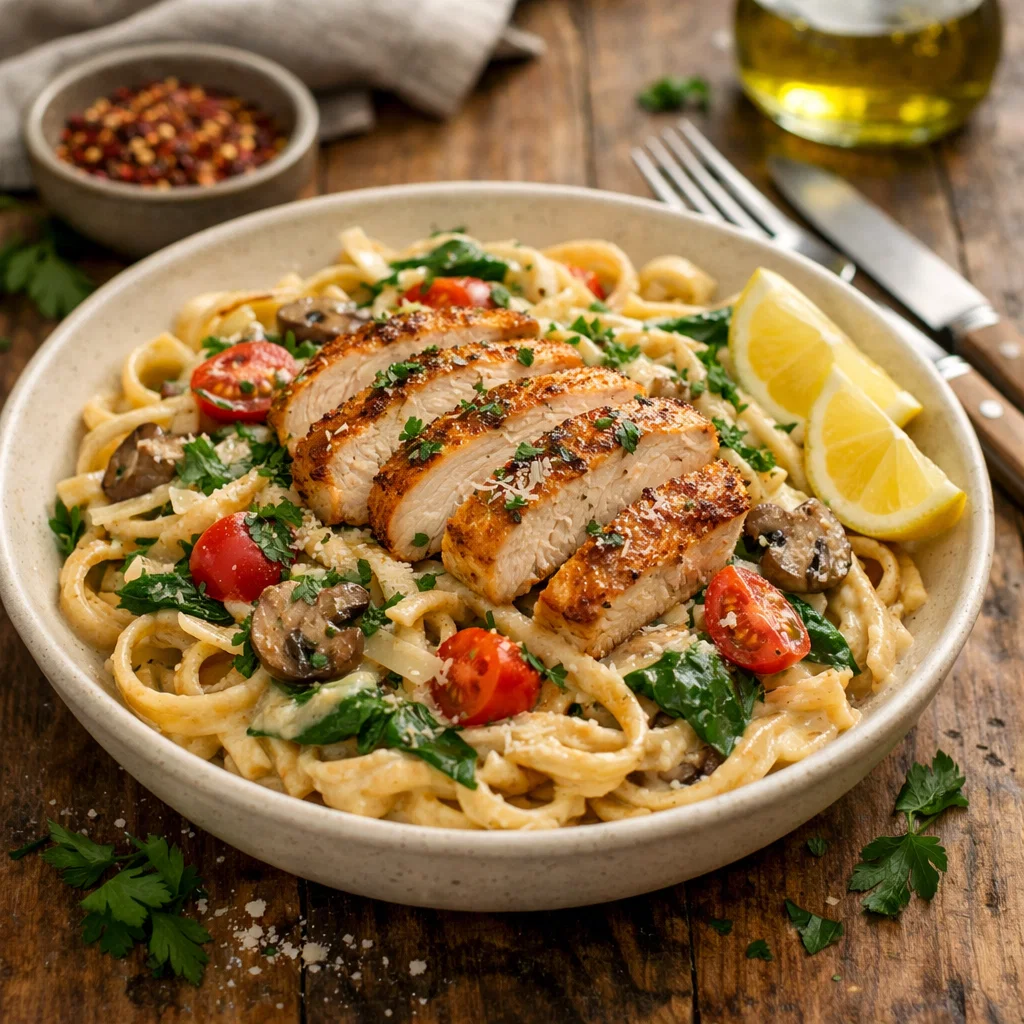
Begin with boneless skinless chicken breasts, sliced horizontally into thinner cutlets and then gently pounded to approximately 1-inch uniform thickness using a meat mallet or the bottom of a heavy skillet. Uniform thickness is the key to even cooking — without it, the thinner end of the breast overcooks and dries out while the thicker end is still working toward temperature. Once cut and pounded, dredge each piece lightly in all-purpose flour, shaking off any excess. The flour coating serves two purposes: it creates the golden, slightly crispy crust that makes the seared chicken so texturally appealing against the creamy sauce, and it prevents the chicken from sticking to the pan during searing. Sear in a combination of butter and olive oil over medium-high heat for 4 to 5 minutes per side until deeply golden and cooked through to 165°F. Remove and rest before slicing.
Managing the Fond: Liquid Gold
After the chicken is removed from the pan, you’ll notice a layer of browned, caramelized residue coating the bottom of the skillet — this is the fond, and it is the most concentrated flavor deposit in the entire dish. Do not wipe the pan. Do not rinse it. Pour the white wine directly into the hot skillet and use a silicone spatula to scrape every bit of the fond up from the bottom, dissolving it into the wine as it deglazes. The wine will bubble aggressively on contact with the hot pan — this is correct and expected. The fond-infused wine becomes the flavor backbone of the sauce and is what gives this creamy chicken pasta its depth and complexity that purely cream-based sauces never achieve.
The Roux and Liquid Integration
In the same skillet, melt butter over medium heat and whisk in flour to create a roux — cook for 30 seconds while stirring to eliminate the raw flour taste without browning the roux. Then begin adding the broth mixture (with all three secret flavor enhancers included) in small splashes rather than all at once, whisking or stirring continuously between each addition. This gradual incorporation is what creates the velvety, lump-free consistency of a properly made cream sauce — adding all the liquid at once overwhelms the roux and produces an uneven, potentially lumpy result. Once all the broth is incorporated, add the heavy cream and stir to combine. Allow the sauce to simmer gently for 3 to 5 minutes until it coats the back of a spoon.
Pasta Perfection: The Water Reserve
Cook your pasta of choice — fettuccine, linguine, and penne all work excellently — in generously salted water until al dente, with a slight resistance at the center that indicates it’s cooked through but not yet soft. Before draining, reserve at least one full cup of the pasta cooking water in a measuring cup or bowl and set it aside where it won’t be accidentally discarded. This starchy, slightly salty pasta water is the sauce’s emergency repair tool — a splash stirred into the finished creamy pasta sauce immediately smooths out any thickness or clumping and restores the silky consistency that makes the dish so appealing. It’s the technique that professional pasta cooks use every time, and it makes a visible and immediate difference.
Finishing and Customization
Low-Heat Cheese Integration
Reduce the heat to low before adding the freshly grated Parmesan and Romano to the sauce — this is the step that cannot be rushed or skipped. Dairy proteins seize and separate when added to excessively hot liquid, creating a grainy, broken sauce that no amount of additional stirring can fully rescue. At low heat, add the cheese gradually in small handfuls, stirring constantly and allowing each addition to melt completely before adding the next. The sauce will become progressively creamier, richer, and more cohesive with each addition. Add the cooked, drained pasta directly to the sauce in the skillet and toss to coat — using tongs or a large spoon to turn the pasta through the sauce until every strand is evenly covered.
The Acid Finish: Non-Negotiable Brightness
Before serving, squeeze fresh lemon juice over the finished creamy chicken pasta — approximately half a lemon for a standard four-serving batch. This is described in the recipe as a must-have finishing step, and the reasoning is sound: the acidity of fresh lemon juice cuts through the richness of the cream and cheese, brightening every other flavor in the dish and preventing the pasta from tasting one-dimensionally heavy. The lemon is not present enough to make the dish taste citrusy — it’s present enough to make the dish taste more vibrant and alive than it would without it. Do not substitute bottled lemon juice; fresh only.
Optional Crunchy Topping
For a textural contrast that transforms this creamy chicken pasta from excellent to extraordinary, prepare a quick toasted panko breadcrumb topping: melt butter in a small skillet over medium heat, add panko breadcrumbs, and stir constantly for 3 to 4 minutes until evenly golden and fragrant. Remove from heat immediately — panko goes from golden to burned in seconds. Scatter generously over each plated serving. The contrast between the crunchy, buttery breadcrumb topping and the silky, creamy pasta beneath is the kind of textural combination that makes a dish feel professionally finished.
Add-On Variations
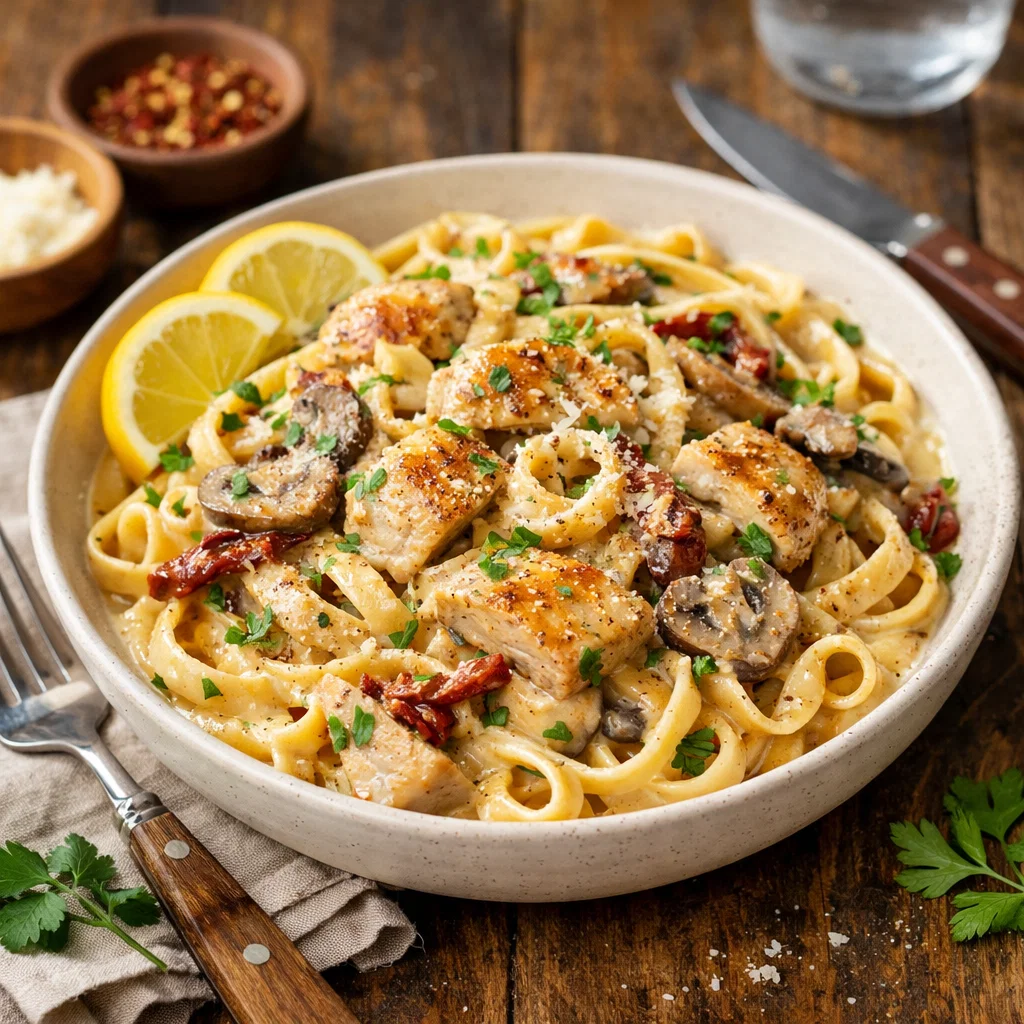
This creamy chicken pasta recipe accepts additions gracefully and without requiring any adjustment to the core technique. Roasted broccoli adds caramelized vegetable sweetness and nutritional density — roast separately and toss into the finished pasta. Baby spinach wilts directly into the hot sauce in under 2 minutes and adds color, iron, and a mild green flavor. Sautéed cremini mushrooms bring earthy umami depth that complements the cream sauce beautifully — cook in butter before starting the sauce and set aside. Sun-dried tomatoes packed in oil add concentrated sweet-tart intensity and a Tuscan-inspired character that makes this feel like an entirely different dish.
Storage and Advanced Reheating
Shelf Life
Store cooled leftover creamy chicken pasta in airtight containers in the refrigerator for up to 3 days. For longer storage, freeze in airtight freezer-safe containers for up to 3 months — note that cream-based sauces can separate slightly upon thawing, which is corrected during the reheating process with the addition of a small amount of broth or pasta water.
The Double-Boiler Reheating Method
Standard reheating methods — direct stovetop heat or microwave — tend to break cream-based pasta sauces, causing the dairy to separate into a greasy, uneven mess rather than maintaining the silky, emulsified consistency of the freshly made dish. The solution is the makeshift double-boiler method: place the leftover pasta in a heatproof bowl and set it over a pot of gently simmering water, ensuring the bottom of the bowl doesn’t touch the water. Stir gently as the pasta warms from the indirect steam heat, adding small splashes of the reserved pasta water (if you saved some) or a small amount of chicken broth as needed to restore the original creamy consistency. The gentle, indirect heat prevents the sauce from overheating and breaking, producing reheated creamy chicken pasta that is nearly indistinguishable from freshly made.
Metadata and Nutrition
Creamy Chicken Pasta Prep Time: 15 minutes | Cook Time: 35 minutes | Total Time: 50 minutes | Yield: 4 servings
Nutritional Estimate (Per Serving)
| Nutrient | Amount |
|---|---|
| Calories | 526 kcal |
| Protein | 38g |
| Total Fat | 22g |
| Saturated Fat | 11g |
| Carbohydrates | 48g |
| Dietary Fiber | 2g |
| Total Sugars | 3g |
| Sodium | 740mg |
All nutritional values are estimates and will vary based on specific ingredient brands, portion sizes, pasta variety used, and any additions or modifications made to the recipe.