
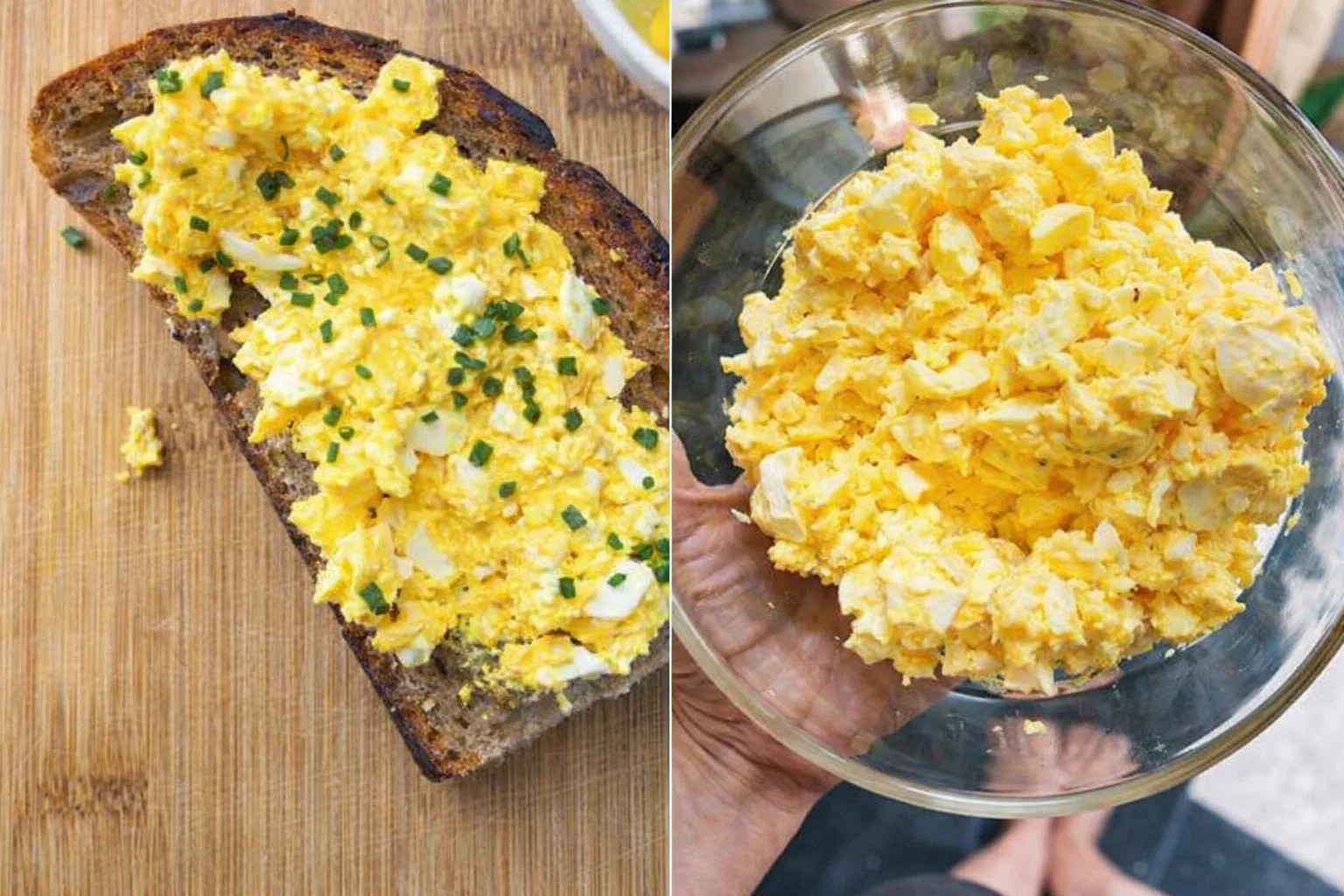
Egg Salad Recipe
Table of Contents
There is a particular kind of culinary humility that only comes after years of professional kitchen training — the moment when, after mastering hollandaise, perfecting soft scrambles in clarified butter, and learning to coax eggs into a dozen technically demanding preparations, you sit down with a bowl of egg salad and realize that this simple, unassuming childhood staple is still better than all of it. Not more impressive. Not more technically interesting. Just better — more satisfying, more comforting, more genuinely pleasurable to eat than almost anything that requires a bain-marie or a precise temperature probe.
Thank you for reading this post, don't forget to subscribe!This egg salad recipe is built on that honest reckoning. It is not trying to be sophisticated. It is trying to be perfect — the specific, calibrated version of egg salad where the eggs are the undeniable star and the mayonnaise and mustard exist to bind and season rather than to smother and overwhelm. The result is a drier egg salad — not dry in an unpleasant, crumbly sense, but in the sense that every bite is primarily egg, with the mayo and mustard contributing flavor and just enough moisture to hold everything together in a cohesive, scoopable mixture that tastes like the best possible version of a thing you have been eating your entire life.
Why This Recipe Works for Meal Prep
Built to Last Five Days
Most homemade egg salad recipes produce something that is genuinely best on day one and increasingly disappointing by day three — the mayo becomes looser as it absorbs moisture from the eggs, the flavor flattens, and the texture deteriorates. This easy egg salad recipe is specifically formulated to avoid that deterioration. The drier ratio of mayo to egg — generous enough to bind and season but not so abundant that it creates excess moisture — means the mixture stays cohesive and flavorful for up to five days in the refrigerator. Making a full batch on Sunday provides a ready-to-eat, high-protein option through Friday without any compromise in quality.
Three Meals, One Bowl
The versatility of a properly made classic egg salad is one of its most underappreciated qualities. As a high-protein lunch it is complete and satisfying on a soft roll or between two slices of good bread. As a breakfast topping spooned over toast — particularly when finished with a drizzle of chili crisp — it provides the protein and richness that makes breakfast genuinely sustaining through the morning. As a quick afternoon snack eaten with crackers or vegetable sticks it bridges the gap between meals without the caloric commitment of a full preparation. One egg salad recipe serves three distinct meal occasions across the week.
The Easy-Peel Secret: Steaming vs. Boiling
Why Steaming Beats Boiling
The standard instruction for hard-boiled eggs — submerging them in a pot of boiling water for a set number of minutes — produces acceptable results that are significantly improved upon by a single technique change: steaming rather than boiling. The practical advantage of steaming for a simple egg salad recipe is two-fold.
First, steamed eggs peel dramatically more easily than boiled eggs. The mechanism is well-documented: steam heat causes a more rapid temperature differential between the egg white and the shell membrane, which separates the membrane from the white more cleanly and makes the shell release in large pieces rather than the frustrating small fragments that cling to boiled eggs. For an egg salad where you are peeling multiple eggs at once, the time and frustration savings are significant.
Second, steaming gives you more precise control over the final texture than boiling because the steam temperature is more consistent and the eggs heat more uniformly. The result is an egg white that is firm but not rubbery and a yolk that is fully set but still slightly dense and creamy rather than chalky and dry — the ideal texture for chopping into the coarse, irregular pieces that give great egg salad its satisfying, varied bite.
The Nine-Minute Precision
The specific timing for this best egg salad recipe is nine minutes of steaming — a precise number that is not arbitrary. Nine minutes cooks the eggs just past the “jammy” state — the slightly soft, custardy yolk stage that is ideal for soft-boiled eggs but too wet and loose for egg salad — into the fully set but still moist and dense yolk that chops cleanly and holds its texture in the final mixture. Eight minutes produces yolks that are too soft and that bleed into the mayo, creating a yellower, looser mixture. Ten minutes begins to move toward the chalky, dry yolk texture that produces flat-flavored egg salad. Nine minutes is the number.
Ingredient Quality Matters
Fresh Eggs: The Foundation
The ingredient quality argument is more meaningful in a recipe this simple than in almost any other preparation — when there are only four ingredients, each one contributes a disproportionate share of the final flavor. Fresh eggs — ideally from a farmers market, a local farm, or a producer that prioritizes hen welfare and diet quality — have noticeably richer, more deeply flavored yolks than standard commercial eggs. In an easy egg salad where the yolk flavor is the primary taste experience, that richness translates directly to a more satisfying, more complex finished dish. The investment in better eggs is the most impactful single upgrade available for this recipe.
The Mayo Factor: Duke’s Is Different
Duke’s Mayonnaise is specifically recommended for this egg salad recipe — not as brand loyalty but as a meaningful flavor distinction. Duke’s has a higher egg yolk content than most commercial mayonnaises, contains no added sugar (which most standard mayonnaises do, producing a slightly sweet flavor that interferes with the savory profile of egg salad), and has a distinctive tangy flavor — what devoted Duke’s users describe as a “twang” — that comes from a slightly higher vinegar content. This tanginess functions like a squeeze of lemon in a cream sauce: it adds a subtle, citrus-like brightness that lifts the richness of the eggs and produces a more vibrant, more interesting homemade egg salad than sweeter, blander mayonnaises allow. If Duke’s is unavailable any full-fat, unsweetened mayonnaise substitutes — but the tangy character will be less pronounced.
Mustard Choice: Dijon for Sharpness
Dijon mustard is the correct mustard for this classic egg salad recipe — not yellow mustard, which adds color and a mild, slightly sweet heat that gets lost in the richness of the eggs and mayo, but Dijon, whose sharp, wine-forward pungency cuts through the fat of both the yolks and the mayonnaise and provides the clean, bright edge that prevents the salad from tasting heavy or one-dimensional. One teaspoon is the calibrated quantity — enough to be a genuine flavor presence without making the mustard identifiable as a distinct ingredient.
Step-by-Step Masterclass
Preparation: Setting Up the Steam
Fill a medium saucepan with 1 to 2 inches of water — enough to produce sustained steam without touching the bottom of the steamer basket. Place the steamer basket in the pan. Bring the water to a full rolling boil over medium-high heat with the lid on to accelerate the process. While the water heats prepare an ice bath in a medium bowl — fill with cold water and add a generous quantity of ice. The ice bath must be ready before the eggs finish steaming because the transfer needs to happen immediately.
The Steam and Shock: Precision Execution
Once the water is boiling and producing vigorous steam carefully place the eggs (straight from the refrigerator — cold eggs produce better results than room temperature eggs for steaming) into the steamer basket in a single layer. Replace the lid immediately and begin timing. Steam for exactly nine minutes — use a timer, not an estimate. At the nine-minute mark transfer the eggs immediately and directly into the prepared ice bath using a slotted spoon or tongs. Submerge completely and allow to sit in the ice bath for three minutes — this rapid cooling stops the cooking process precisely at the nine-minute point and makes the eggs easier to handle for peeling. After three minutes remove and peel immediately while the eggs are still slightly warm — warm eggs peel more easily than completely cold ones.
Assembly: The Coarse Chop
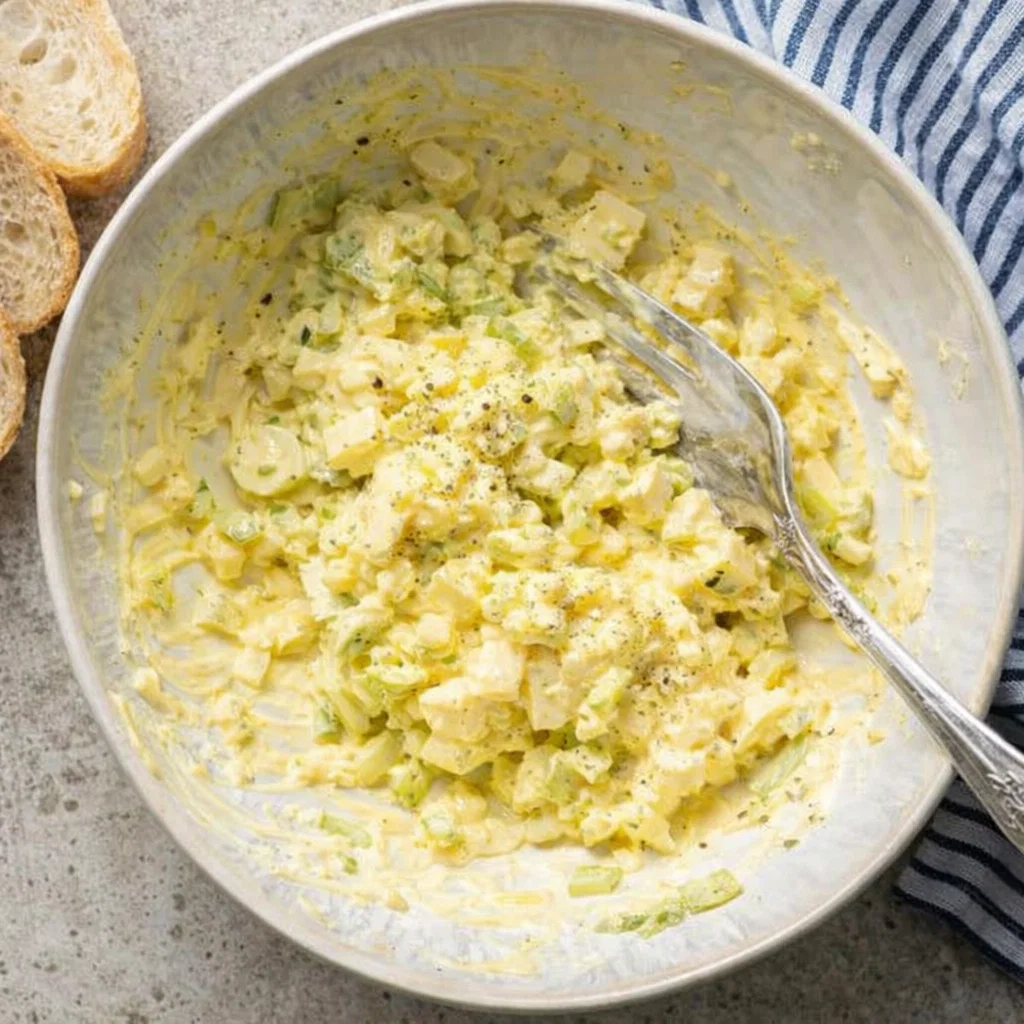
The chopping technique for this drier egg salad is as important as the cooking technique. Chop the peeled eggs coarsely — using a sharp knife and a decisive, confident cutting motion rather than finely mincing. The goal is irregular pieces that range from roughly ½ inch to ¾ inch with some variation — this variation in size is what creates the satisfying, textured bite of great egg salad. Uniformly fine chopping produces a paste-like texture; uniformly large chopping produces pieces that fall out of sandwiches. The coarse, irregular chop is the correct approach.
Transfer the chopped eggs to a bowl. Add ¼ cup Duke’s mayonnaise and 1 teaspoon Dijon mustard. Using a spatula or spoon fold gently — not stir vigorously — until the mayo and mustard coat all the egg pieces evenly. The folding motion preserves the coarse texture; vigorous stirring breaks the egg pieces down further and produces a finer, less texturally interesting result.
Seasoning: The Final Calibration
Season with kosher salt and freshly ground black pepper — both are non-negotiable finishing steps that make the flavors of the completed egg salad recipe more vivid and more complete. Add salt in small increments, tasting after each addition — the mayo already contains salt and the eggs themselves were cooked in a neutral environment, so the total salt requirement varies. The freshly ground black pepper should be generous — it provides a mild heat and a subtle complexity that pre-ground pepper does not replicate. Taste the finished salad and adjust both seasoning components before serving or storing.
Storage and Serving Suggestions
Scaling Up for the Week
This meal prep egg salad recipe doubles effortlessly — simply use twice the quantity of every ingredient and a larger bowl for mixing. A doubled batch — eight eggs rather than four — provides eight generous servings across five days, which covers lunches for a full work week with weekend flexibility. The five-day refrigerator longevity of this specific formulation makes doubling practical in a way that more mayo-heavy versions are not — the drier ratio holds up through the full storage window without deteriorating significantly.
Serving Ideas Beyond the Sandwich
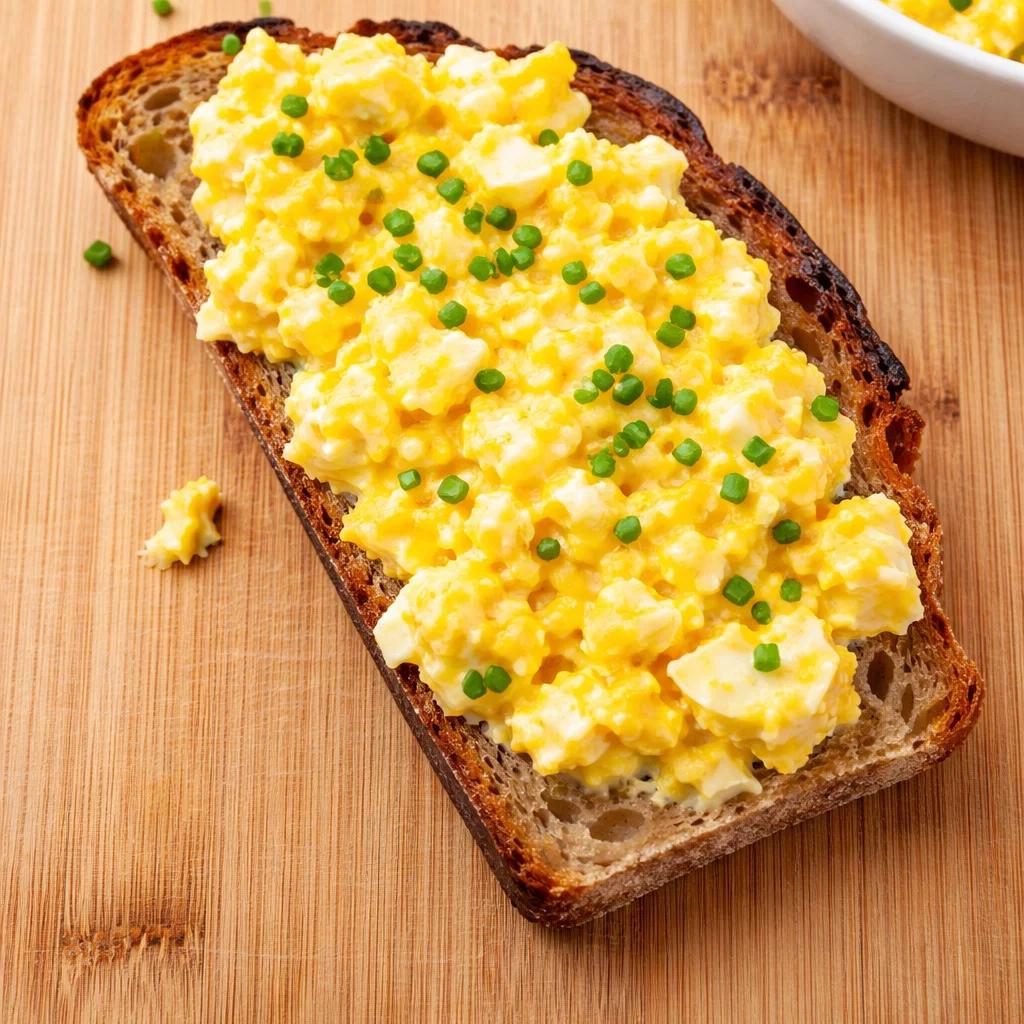
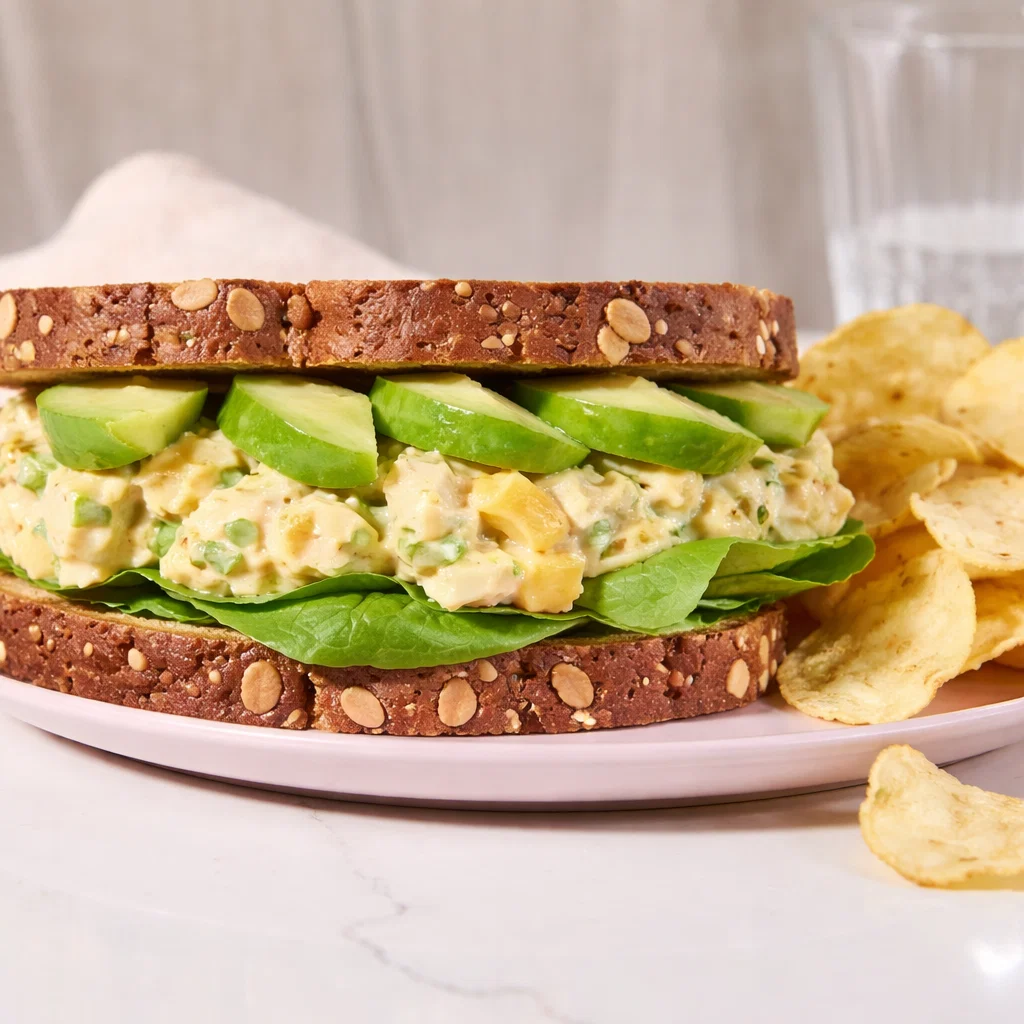
The classic lunch: Pile generously onto a soft challah roll — the slightly sweet, enriched bread of the challah is the ideal counterpoint to the savory, tangy egg salad and provides enough structural softness to eat without the egg salad sliding out. The modern breakfast: Toast a thick slice of sourdough or country bread, spoon the egg salad over the warm surface, and finish with a deliberate drizzle of chili crisp — the combination of the rich egg salad, the textural crunch of the crisp, and the fermented chili heat is one of the most genuinely exciting breakfast combinations available from a 10-minute preparation. The snack format: Serve on butter crackers, cucumber rounds, or endive leaves as an appetizer or afternoon snack that requires no bread and provides the same protein satisfaction in a lighter vehicle.
Nutrition Quick-Look
Per Serving (Recipe Yields 4 Servings)
| Nutrient | Amount |
|---|---|
| Calories | 202 kcal |
| Total Fat | 17g |
| Protein | 10g |
| Carbohydrates | 1g |
| Saturated Fat | 3.5g |
| Cholesterol | 285mg |
| Sodium | 280mg |
The high-protein, low-carbohydrate profile of this egg salad recipe makes it particularly well-suited for low-carb, ketogenic, and high-protein dietary approaches — 10 grams of protein per serving from a preparation that takes approximately 15 minutes total and lasts five days in the refrigerator represents one of the best effort-to-nutrition ratios in the home cook’s repertoire. Served on a low-carb vehicle — cucumber rounds, lettuce wraps, or eaten directly — the carbohydrate count stays at or near the 1-gram baseline per serving.